🌲Your Sponsored Forest
Restoring ecosystems and livelihoods
Interactive Tree Map
Click on the pins below to explore detailed information about each tree species in your sponsored forest.
Forest Biodiversity
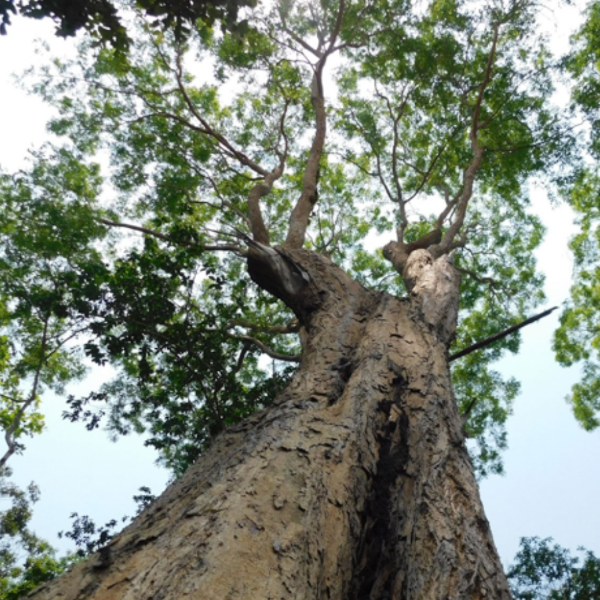
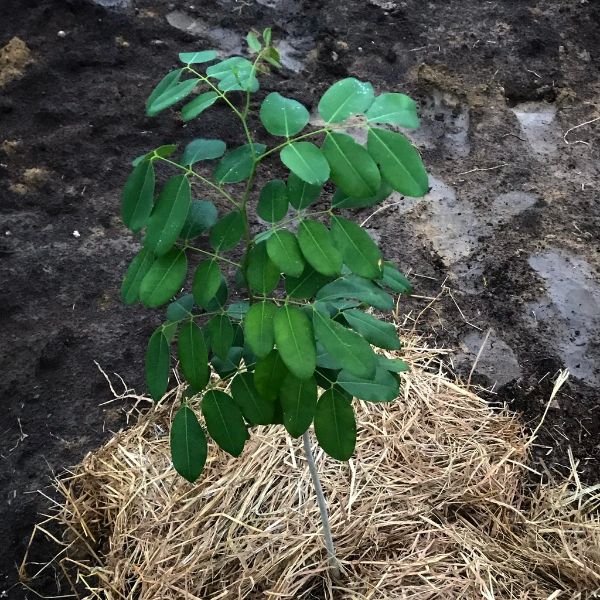
Siamese Rosewood
Dalbergia cochinchinensis
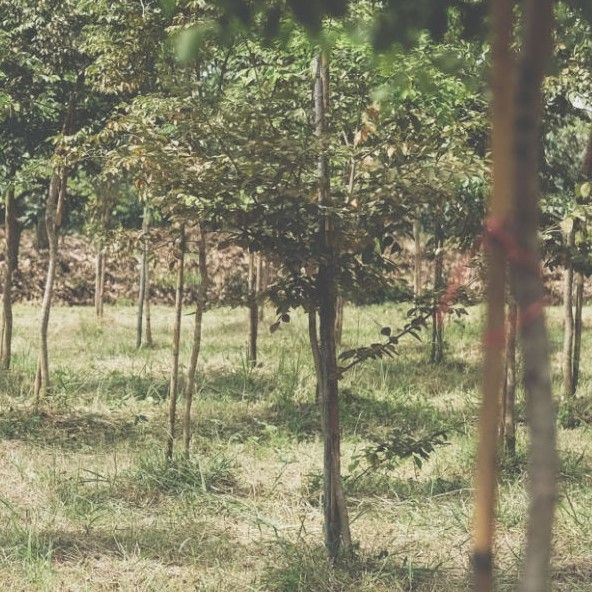
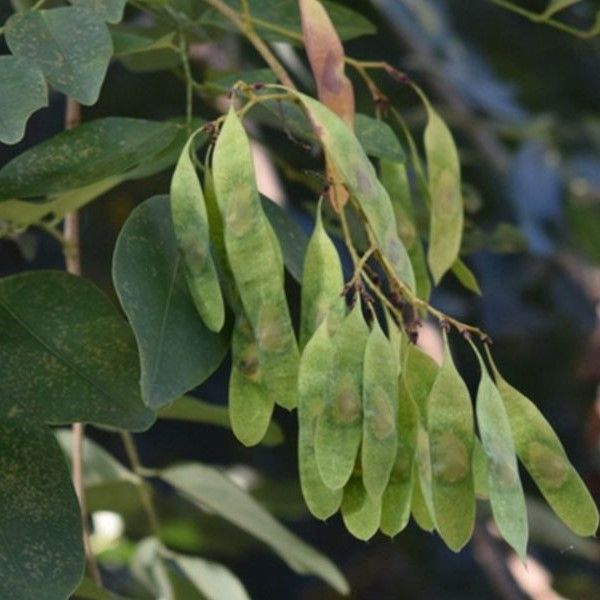
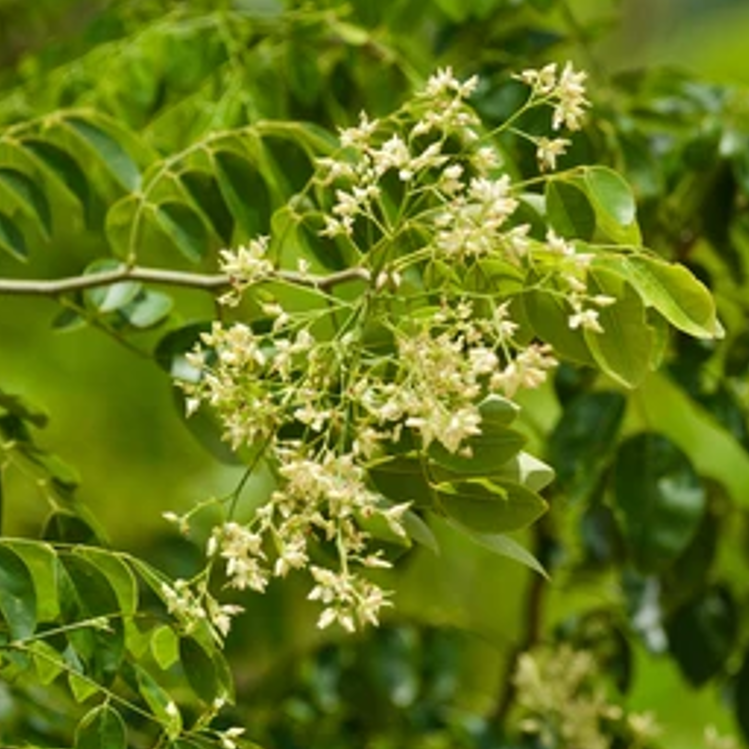
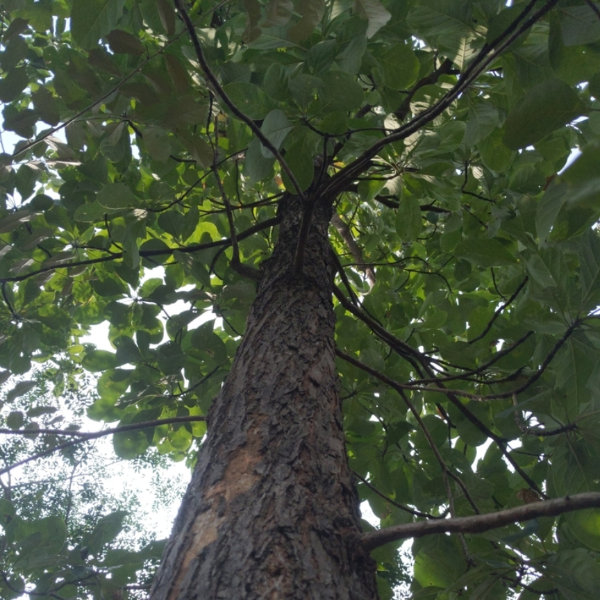
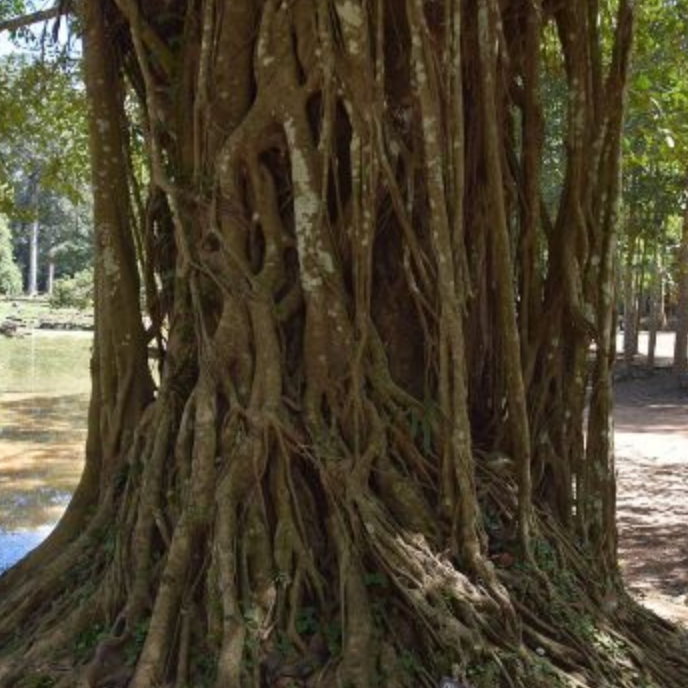
Behada
Terminalia bellirica
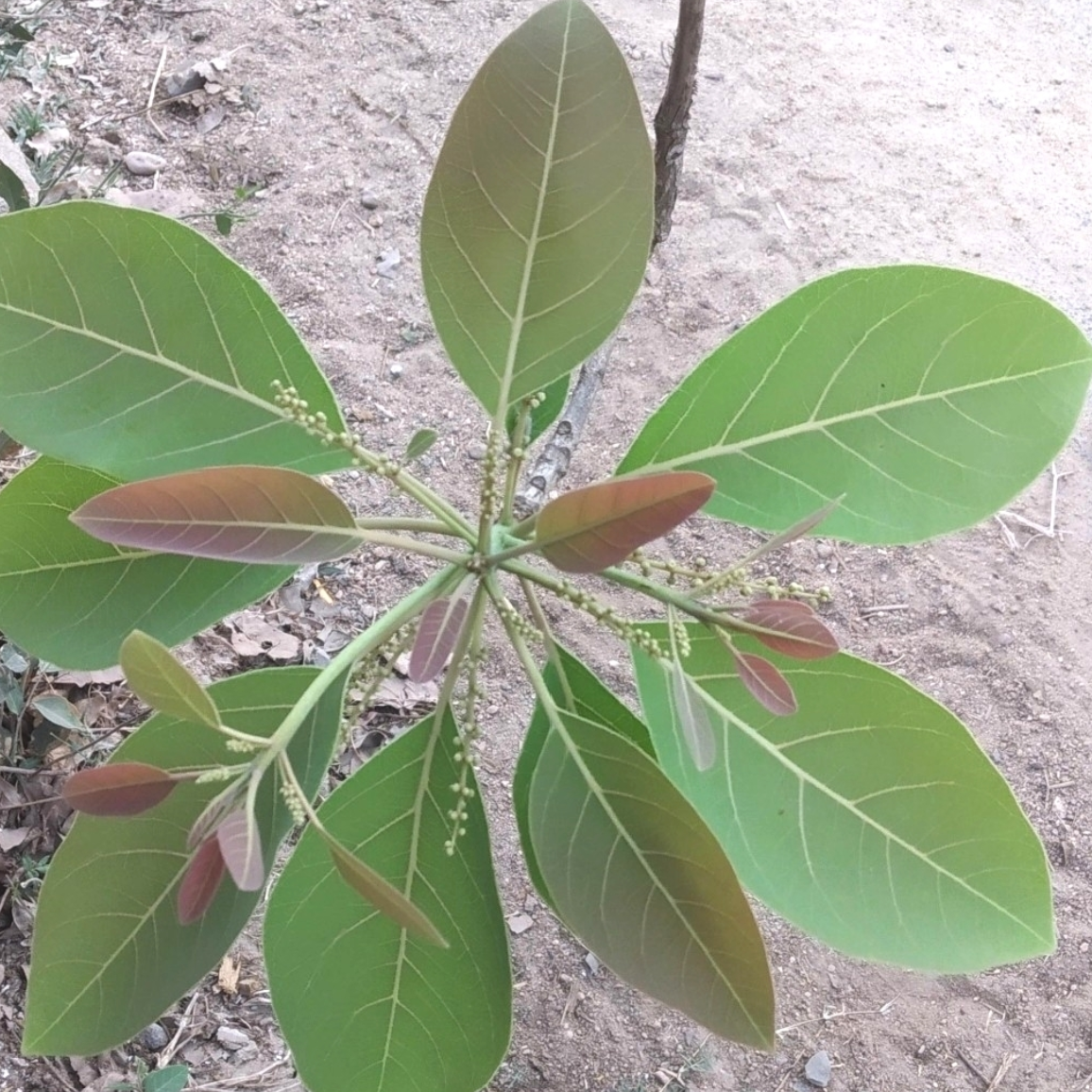
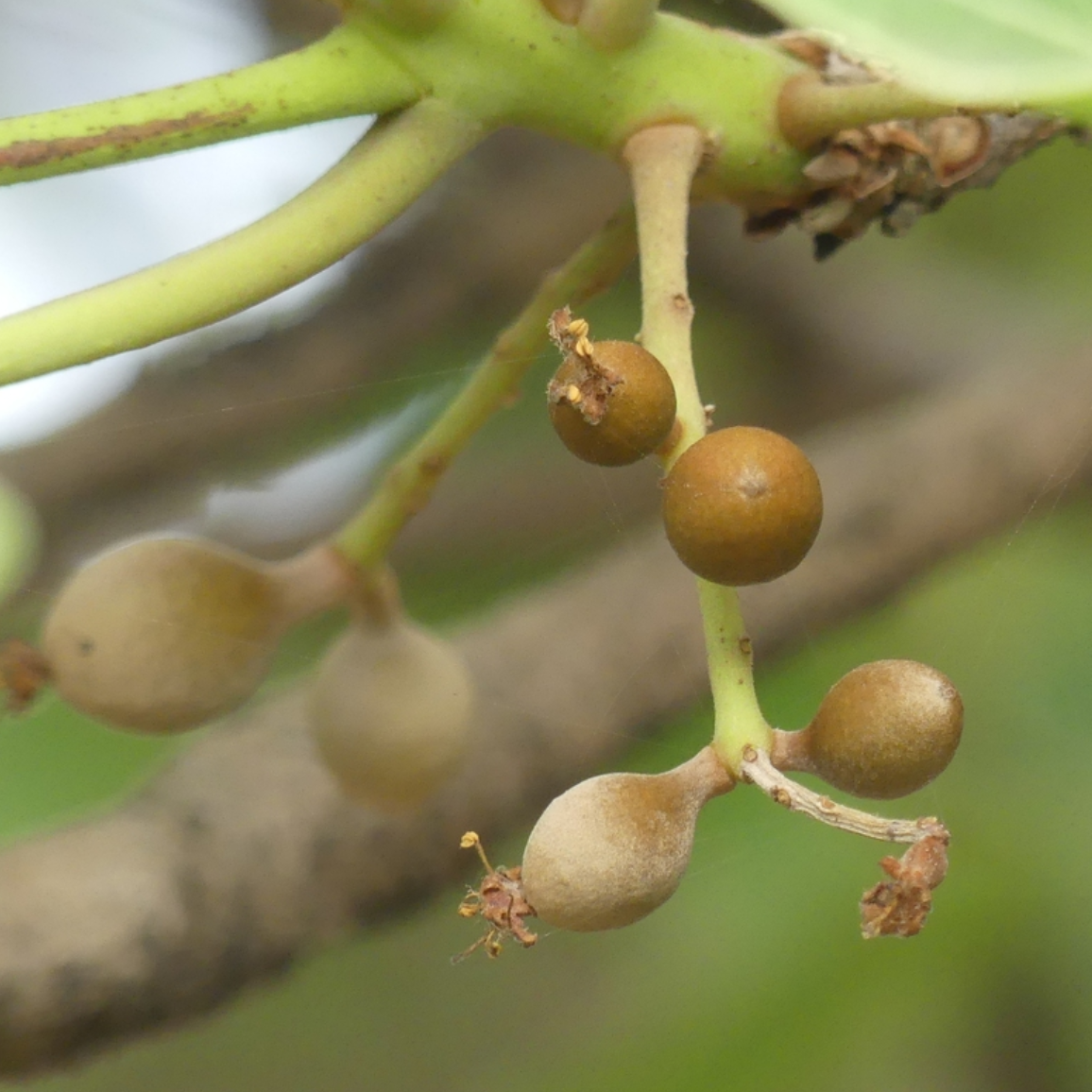
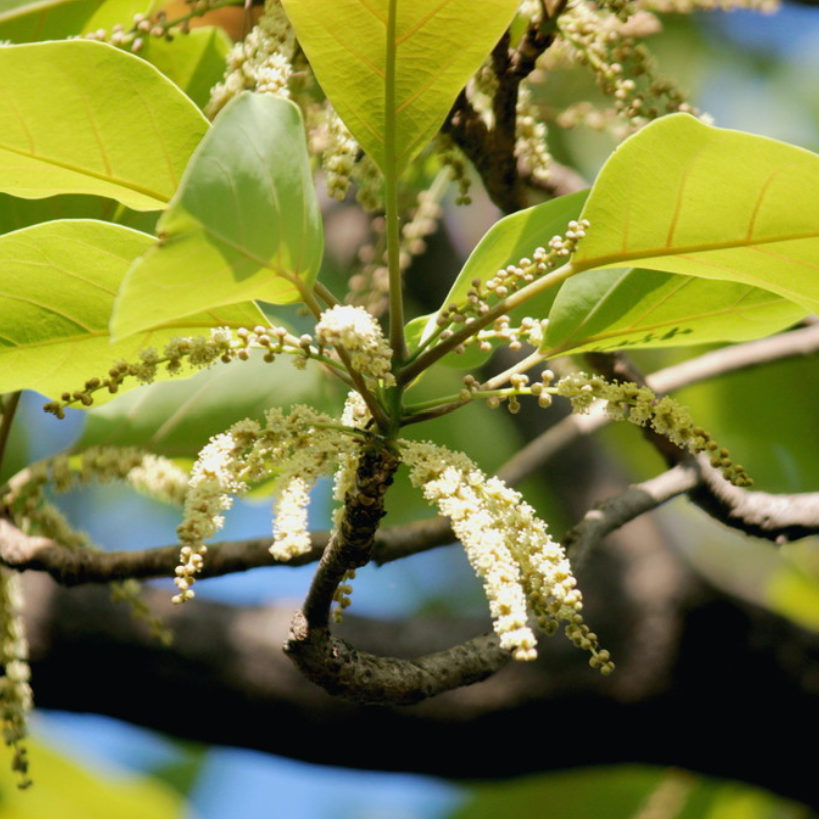
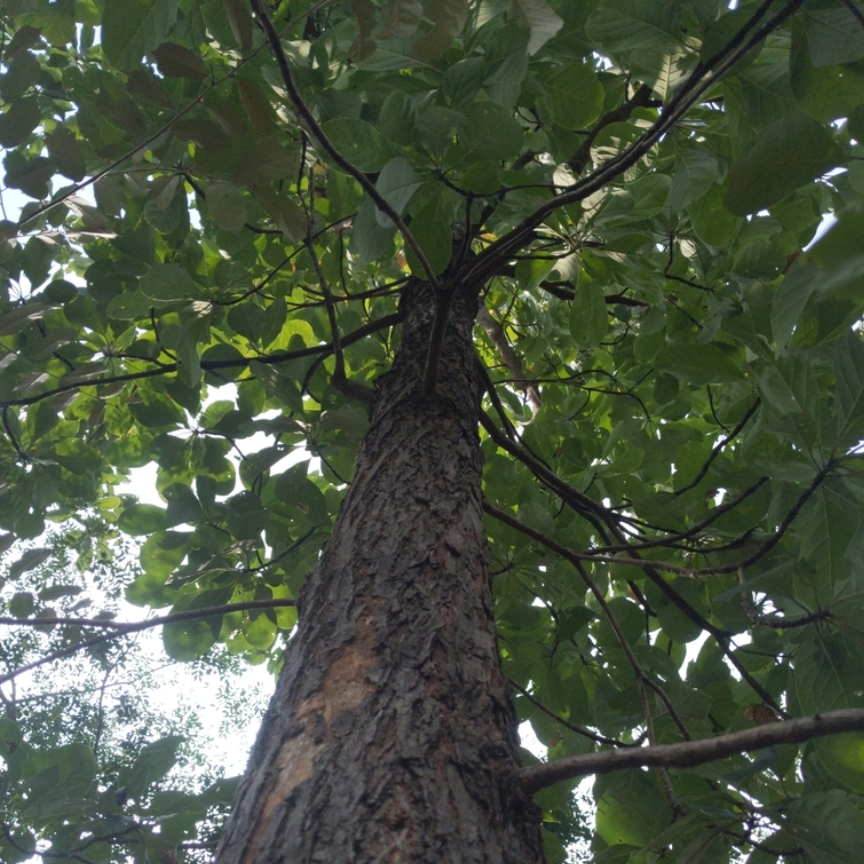
Gurjan
Dipterocarpus turbinatus
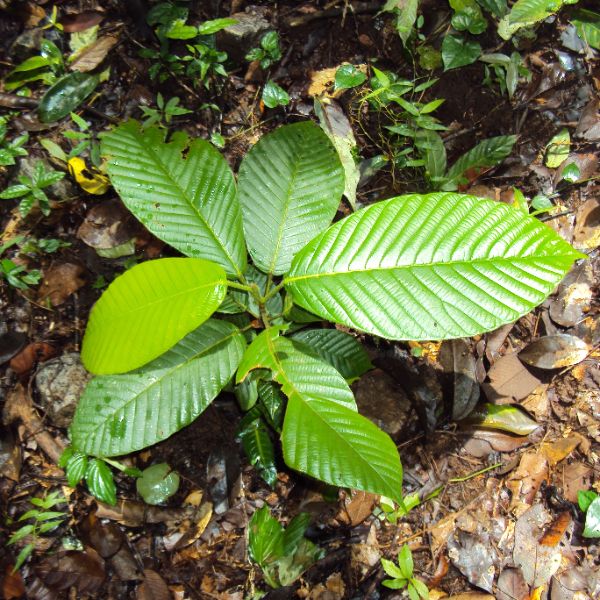
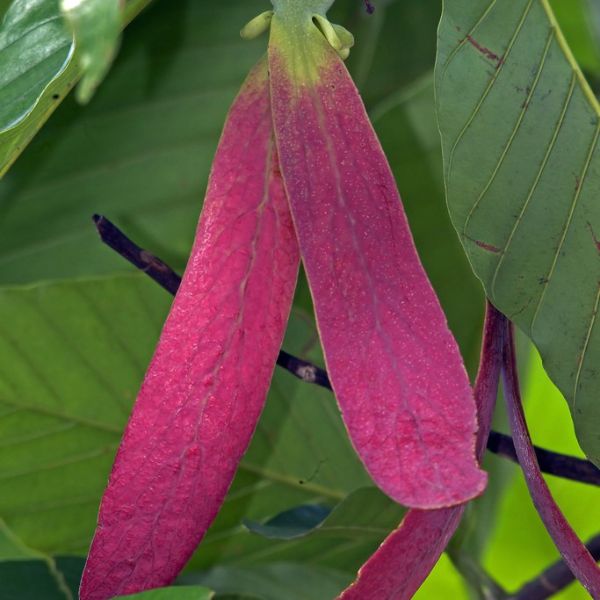
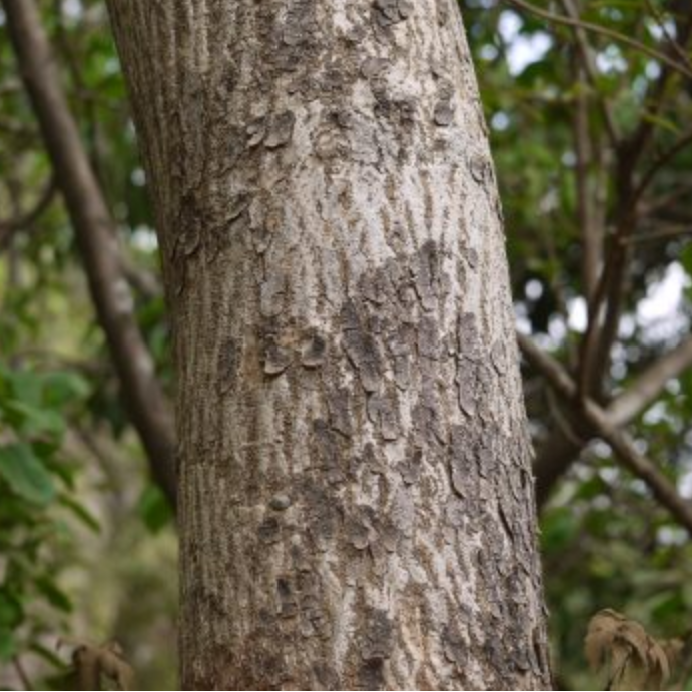
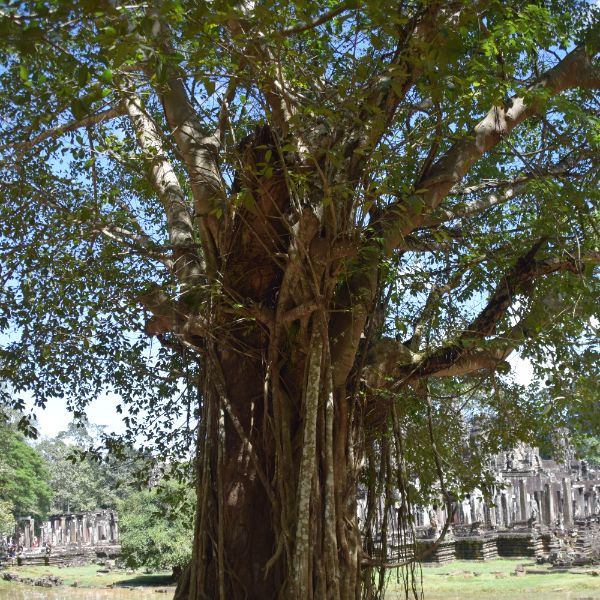
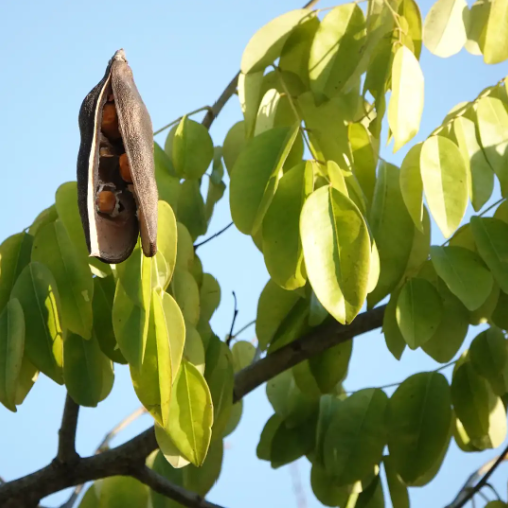
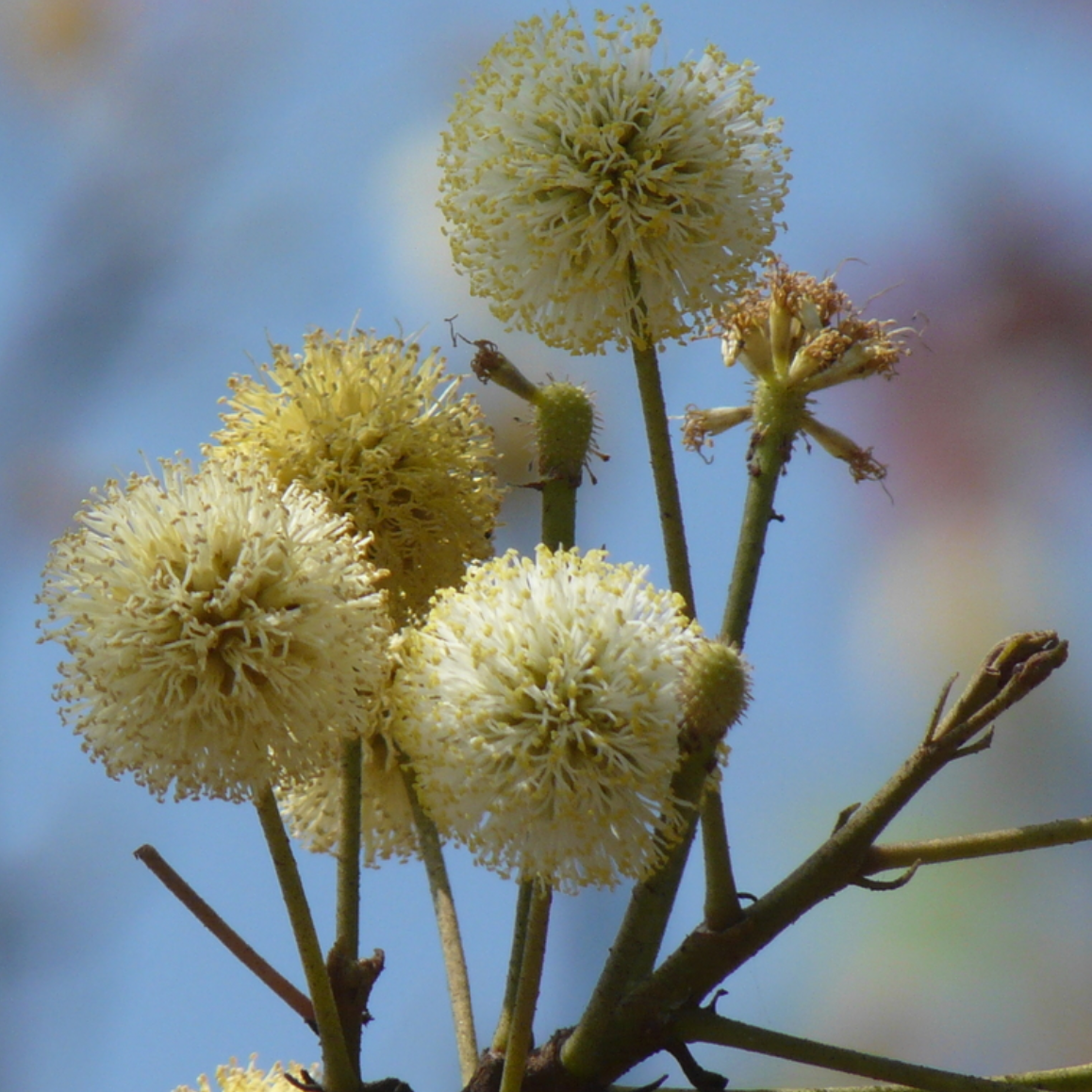
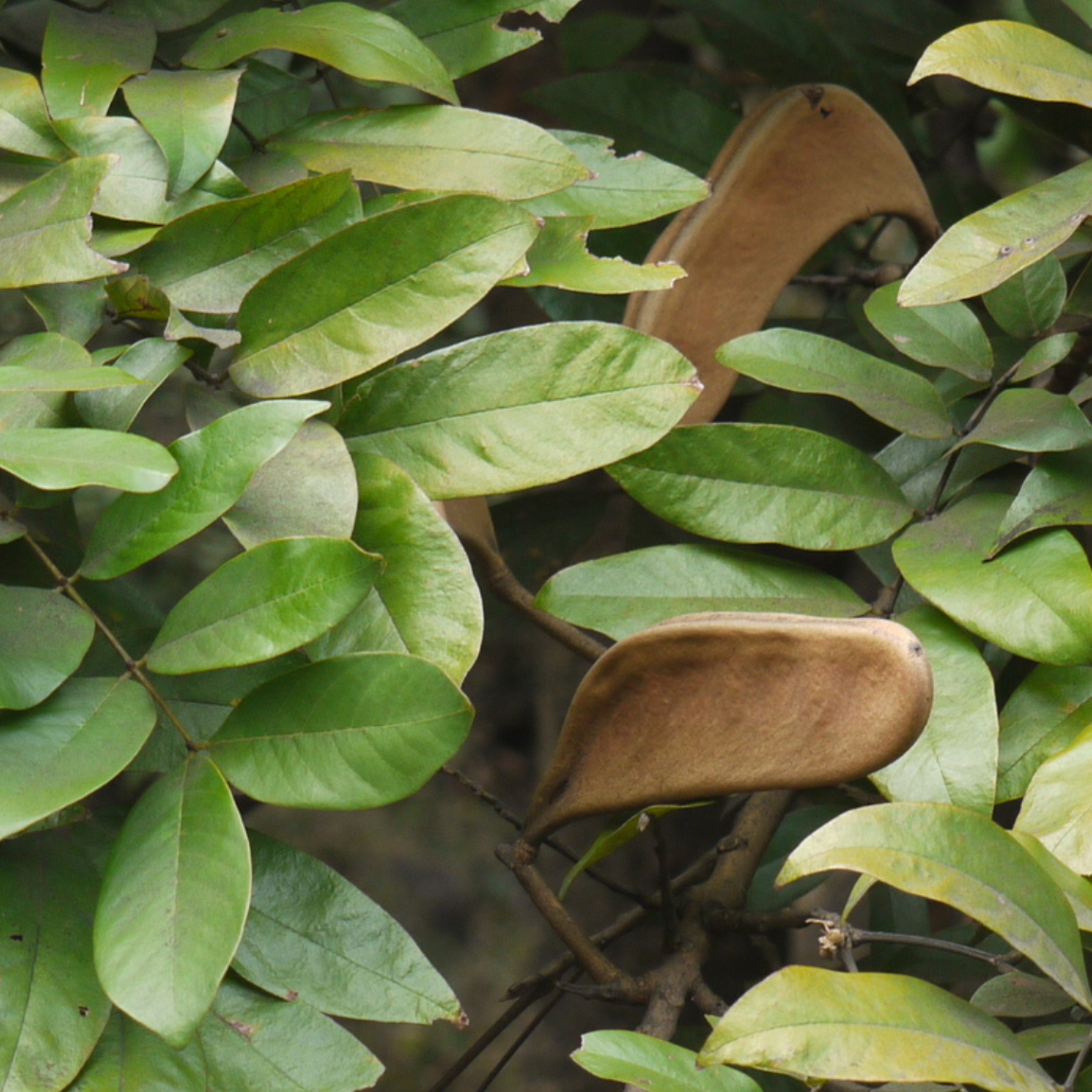
Makha
Azfelia xylocarpa
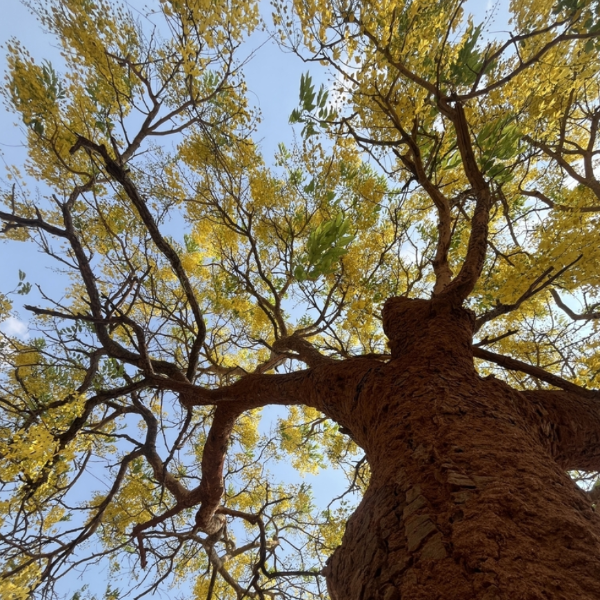
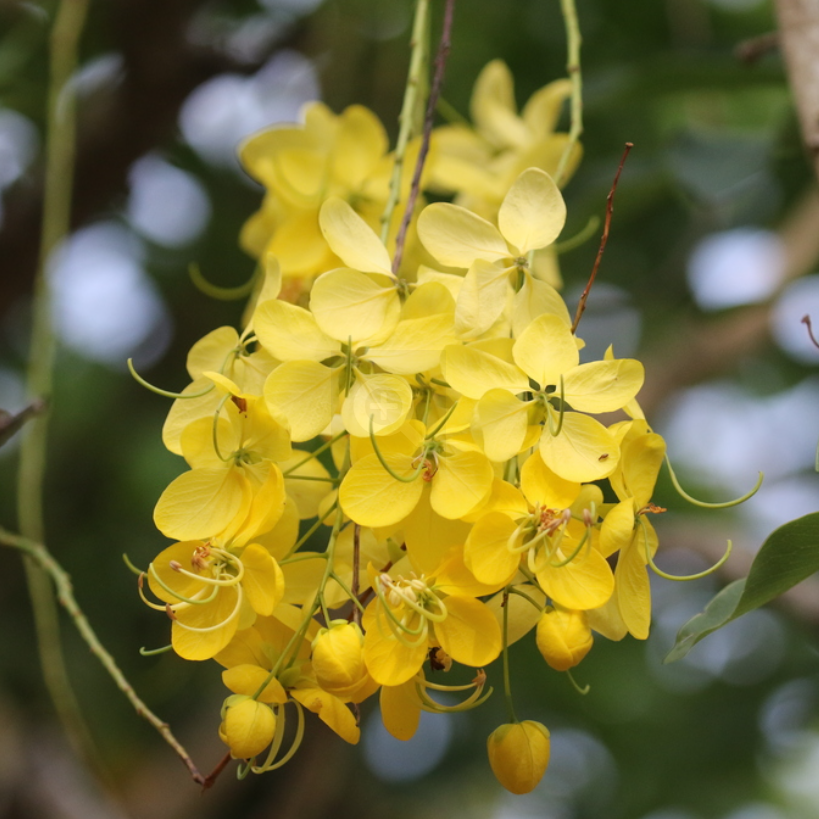
Golden Shower
Cassia fistula
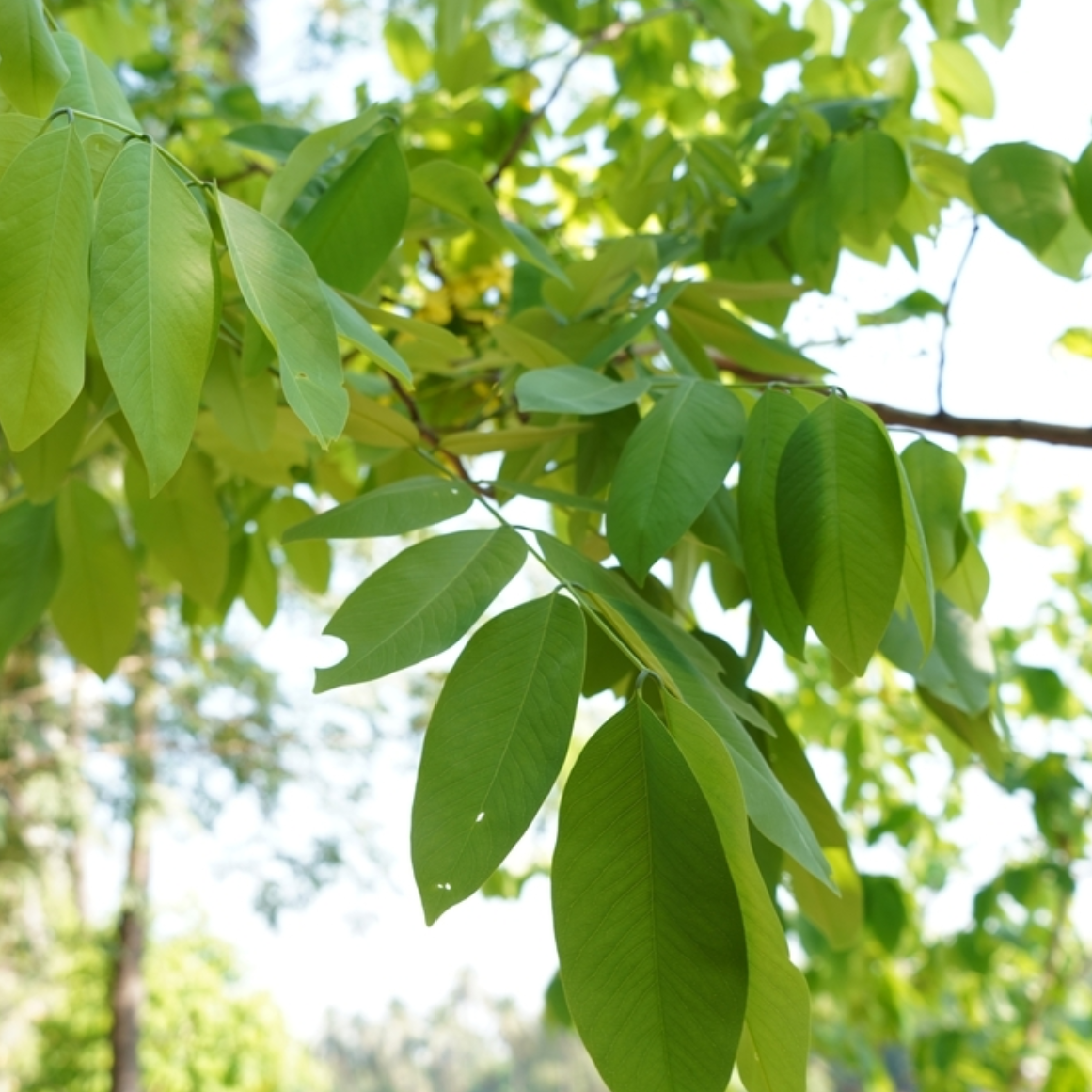
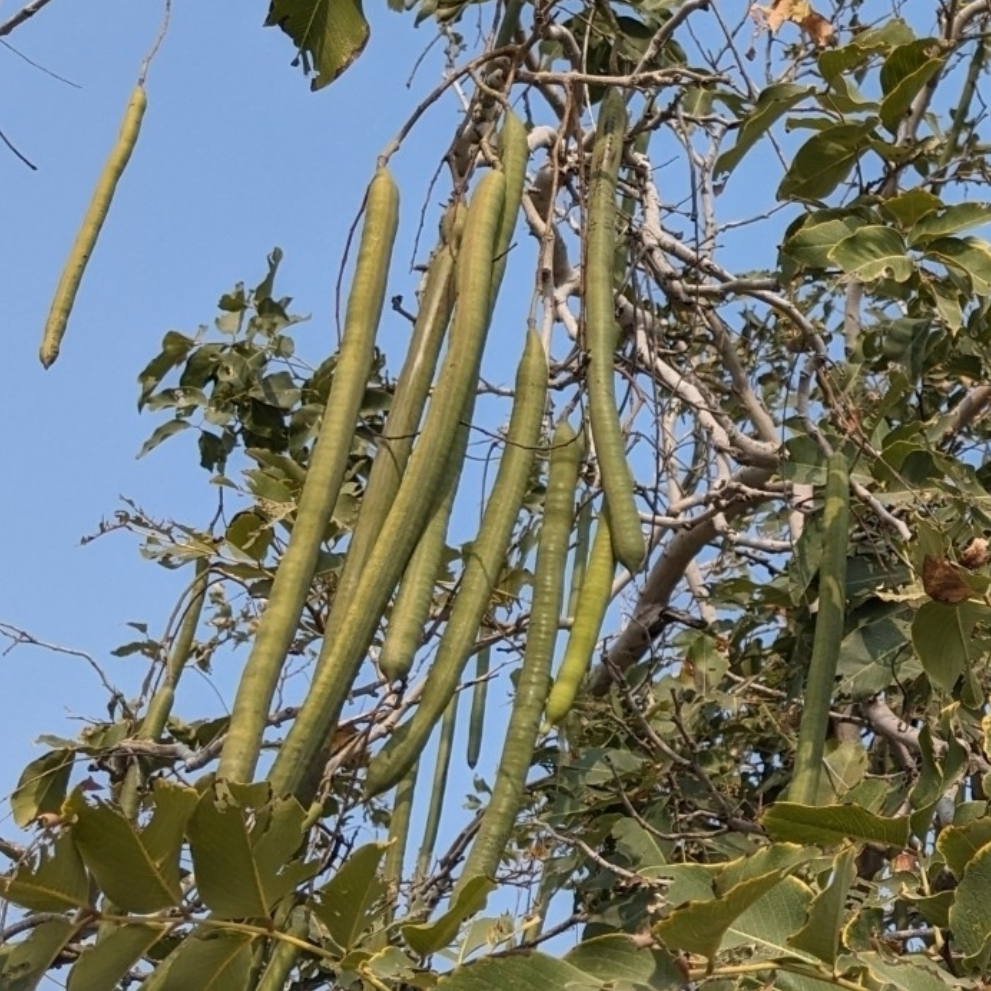
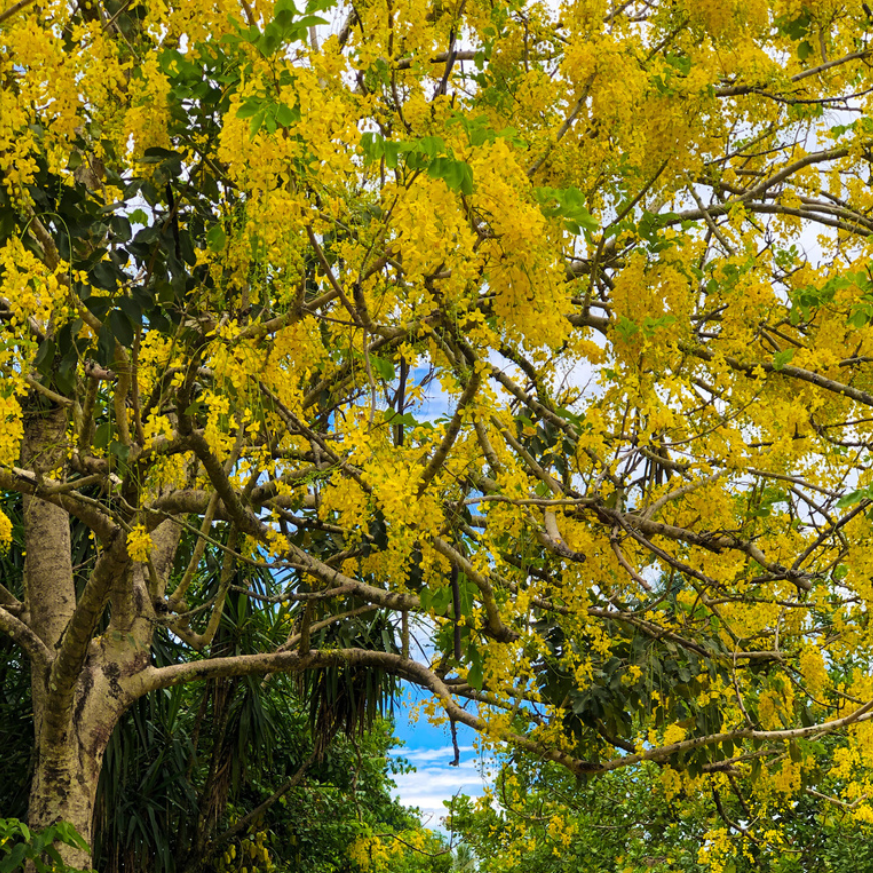
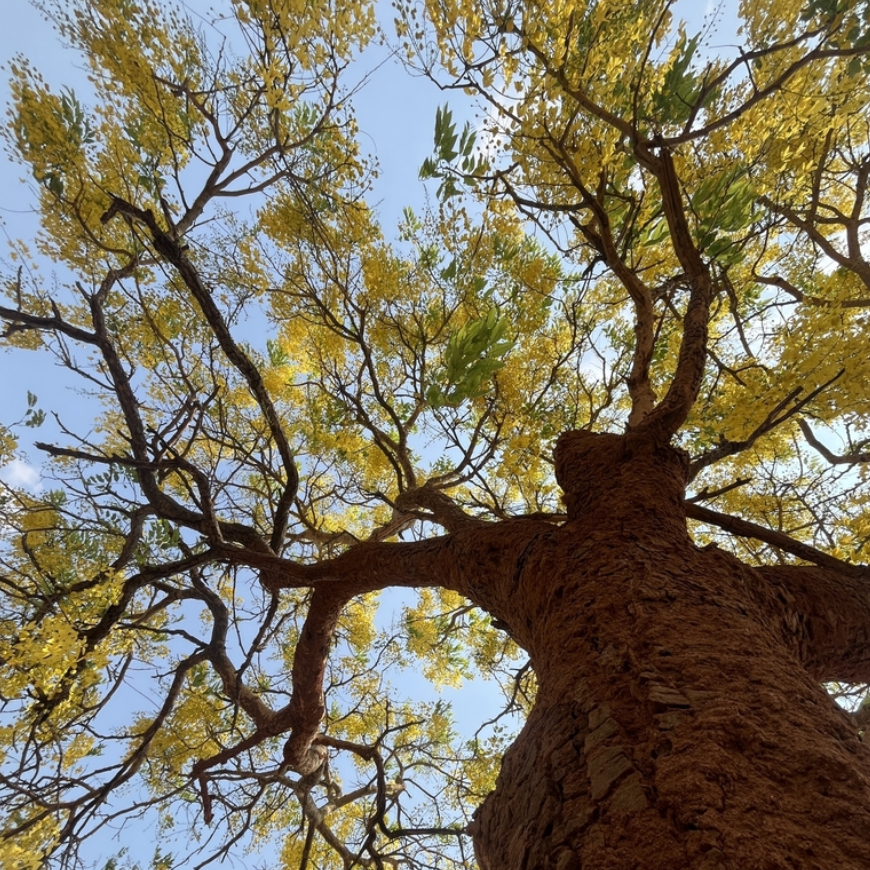
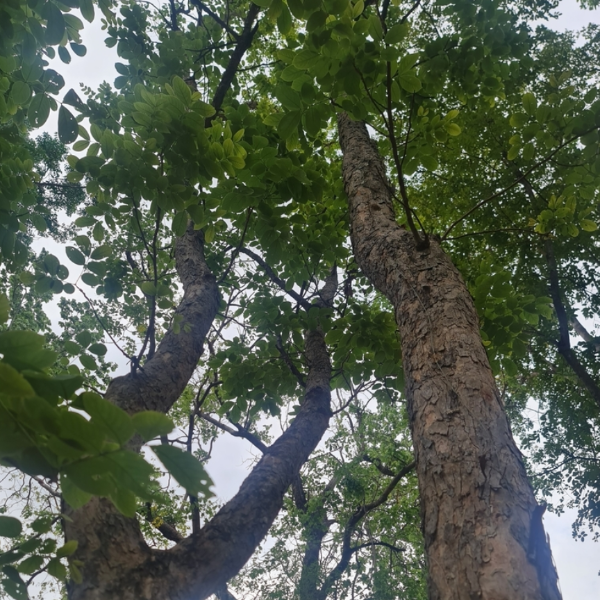
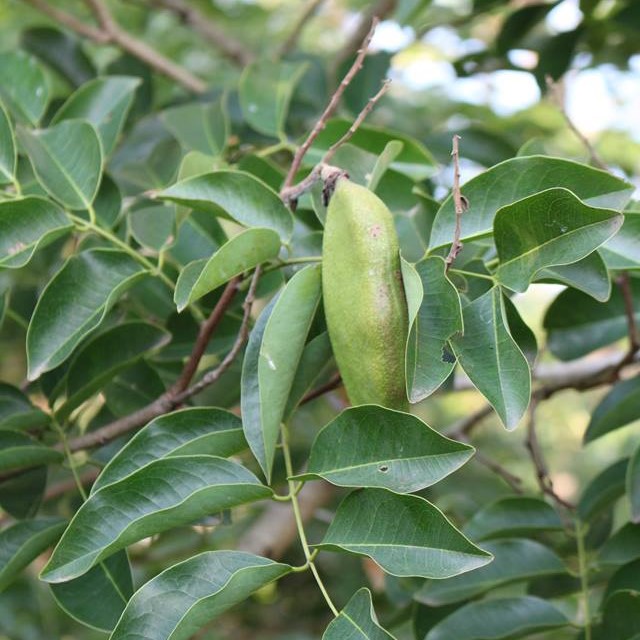
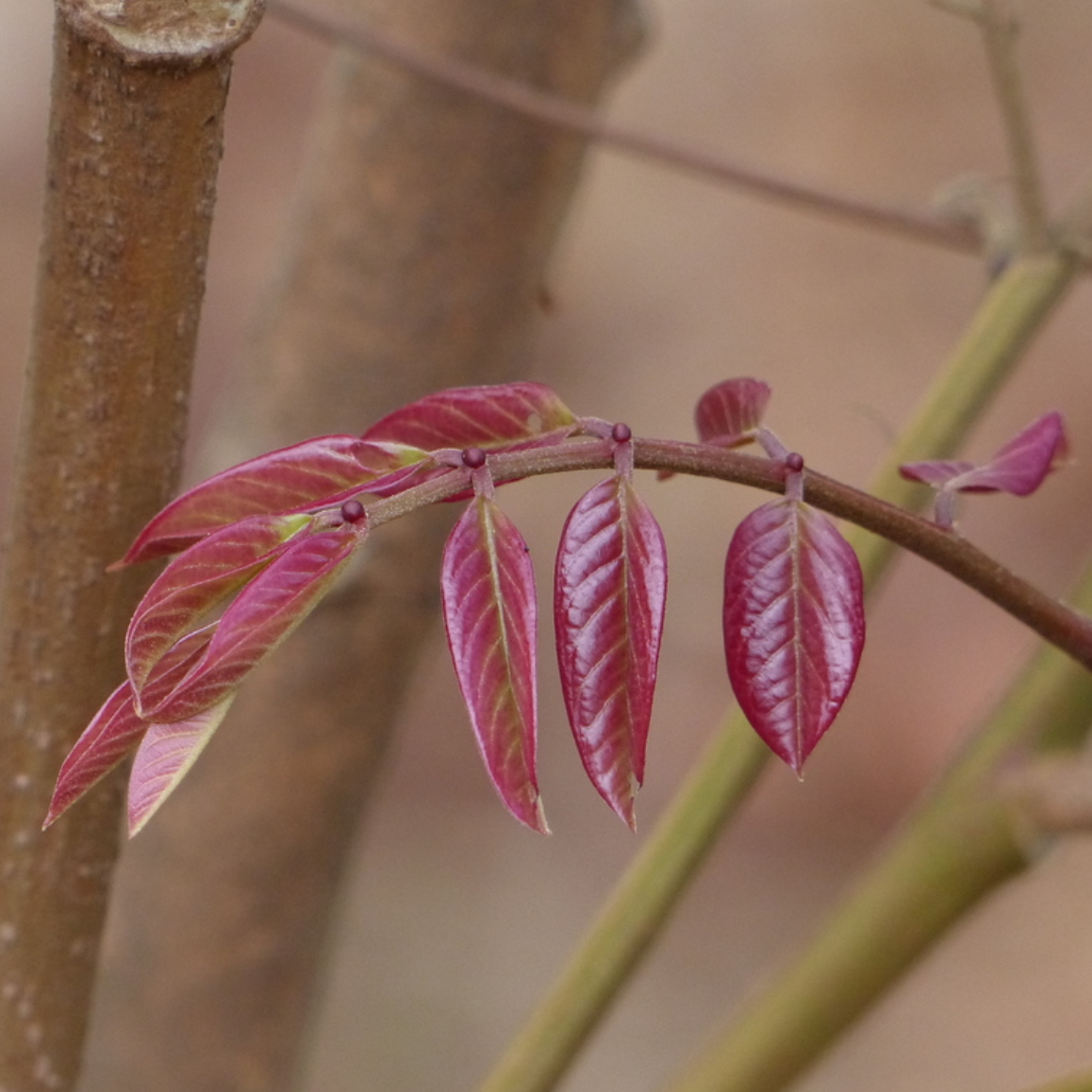
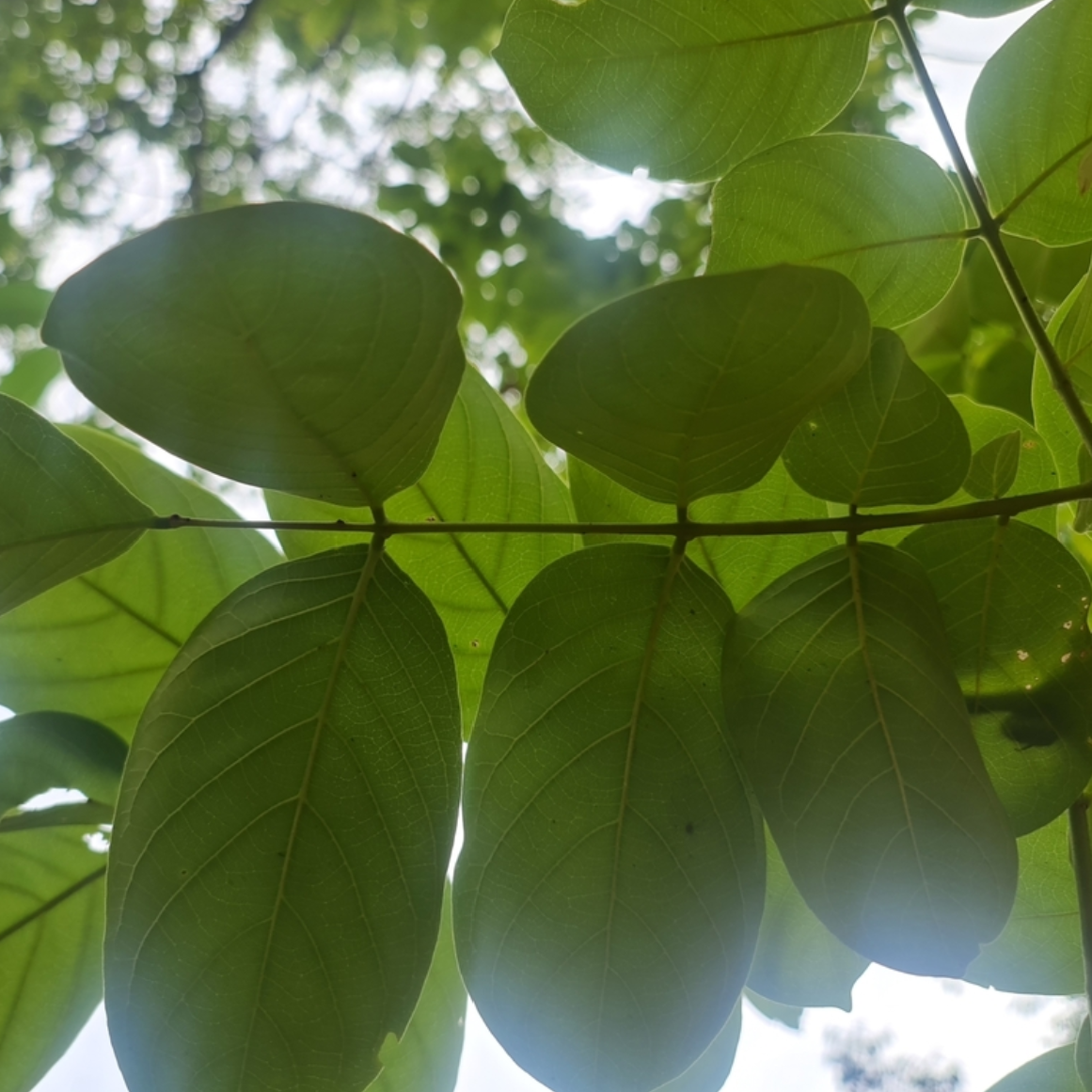
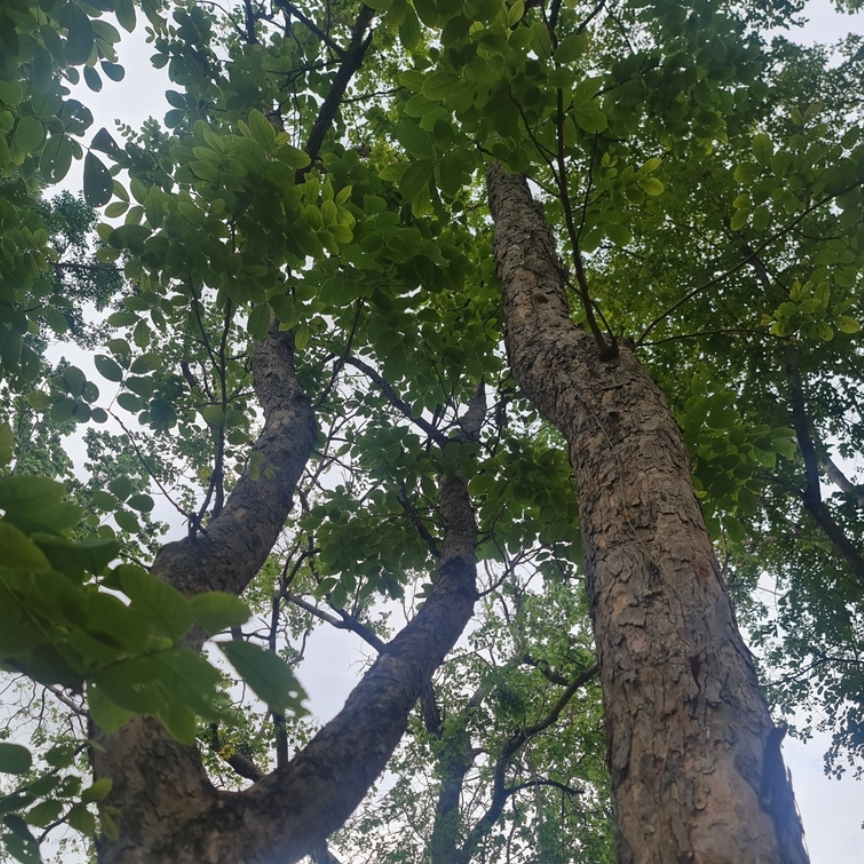
Ironwood of Burma
Xylia xylocarpa
🌳 Reforestation Sites
Mae Hong Son
📍 Mae Hong Son, Thailand
Mae Hong Son is a remote, mountainous province in northern Thailand. Forests in this region have been fragmented, destroying the natural habitat for a host of mammals, birds, and other local wildlife. Planting native species in denuded areas reconnects the forests, reversing fragmentation and rebuilding a large enough natural habitat for these species to once again thrive. A retired local teacher invites children from the village to learn about their natural surrounding and how to be stewards of the forest.
🔗 View site details →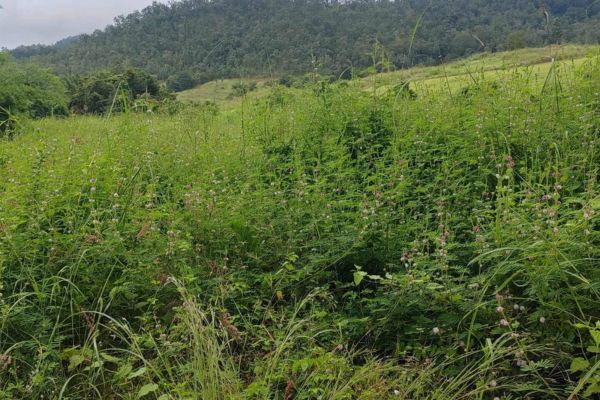
🌍 Carbon & Oxygen Impact
CO₂ Captured
O₂ Produced
💡 Did you know?
🔮 Projected Impact
🌿 Species Ecosystem Benefits
Soil Health
Improves the quality of the soil with nitrogen fixation and/or it reduces soil erosion from its extended root system.

Anti-wind
Protection from the wind helping other species flourish, and reducing water evaporation from the soil and topsoil erosion.

Biodiversity
Helps to restock various animal species, particularly polinators, thus helping to proliferate a diverse variety of flora and fauna overall.

Traditional Medicine
Produces leaves, roots, bark and/or fruit that is used in traditional medicine.

Products
Produces raw materials from flowers, fruit, leaves and/or bark that can be turned into products such as cosmetics, rope, dye or bio-fuel.

Canopy & Natural Fencing
Protection for crops and shade for livestock, and a natural demarcation of property or different land use areas.
🎯 Community & Environmental Impact
Food Security
Bears edible fruit or other consumable, providing food security for the local community. Supports UN SDG 2: Zero Hunger
CO2 Absorption
Absobs CO2 through photosynthesis, offsetting human-generated carbon emissions over time. Supports UN SDG 13: Climate Action
Environmental Protection
Synergystic with the local ecosystem for positive environmental impact, including wildlife habitat, water conservation, and soil restoration. Supports UN SDG 15: Life on Land
Employment Equality
Hiring practices balanced between women and men, with equal opportunities at the management and decision-making levels. Supports UN SDG 5: Gender Equality

Job Creation
Generates a variety of jobs that help lift the community which may include site preparation and infrastructure, education, seedling preparation, planting, monitoring, and management. Supports UN SDG 8: Decent Work & Economic Growth
🐾 Wildlife Biodiversity Protection
Our reforestation efforts in Thailand help protect endangered species and restore critical habitats for local wildlife.
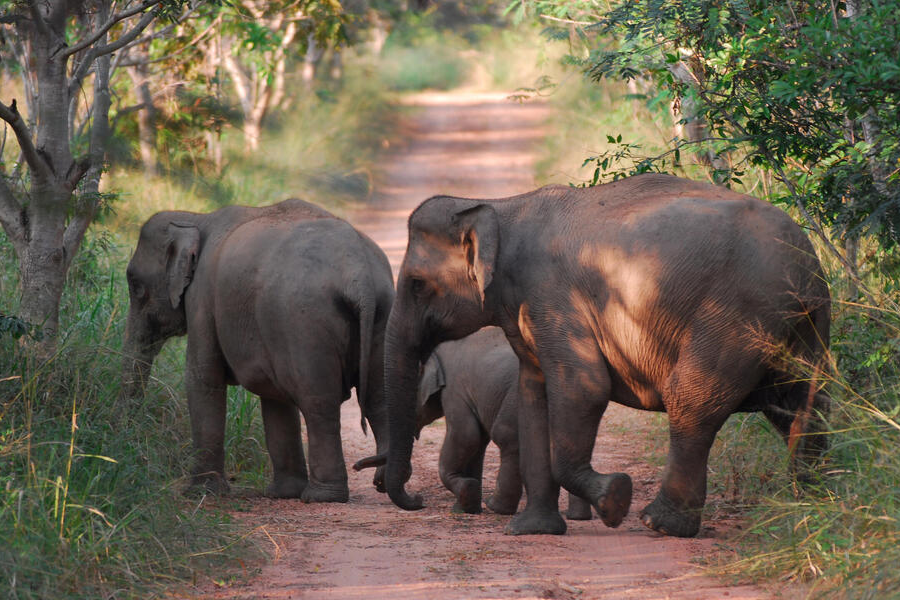
Asian Elephant
EndangeredAn important keystone species, loss and fragmentation of habitat is likely the biggest threat to Elephas maximus indicus throughout Southeast Asia today.
Quick Facts
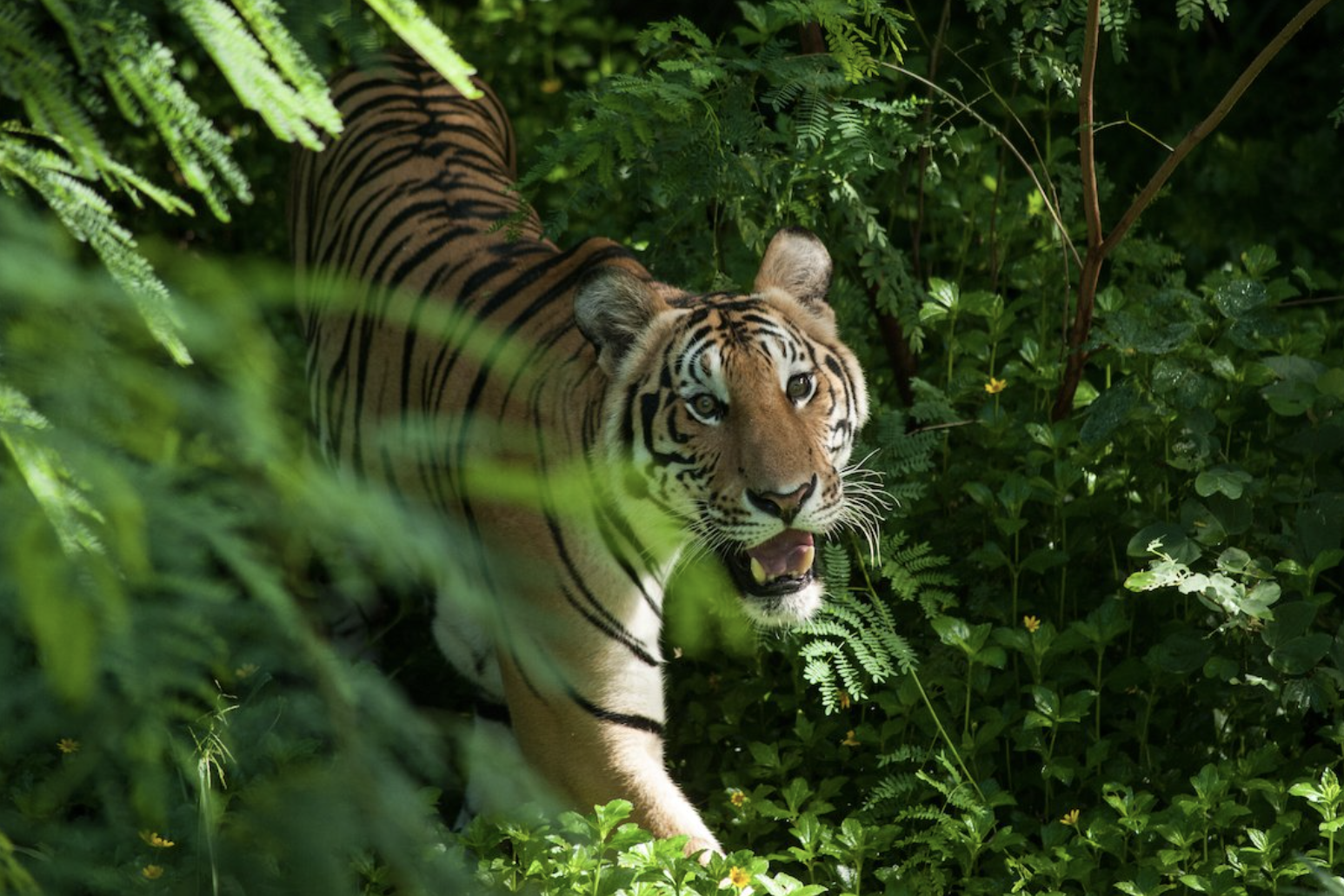
Indochinese Tiger
Critically EndangeredPanthera tigris corbetti's is threatened by poaching for the illegal wildlife trade, habitat fragmentation and loss, and depletion of natural prey.
Quick Facts
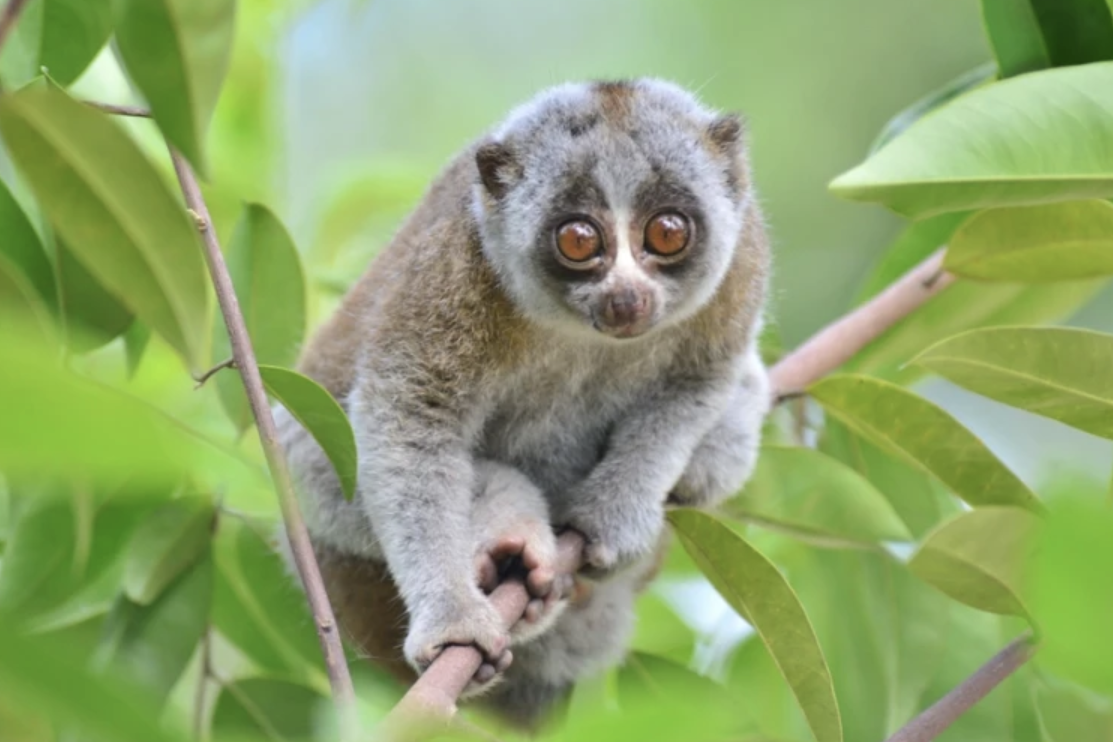
Bengal Slow Loris
EndangeredNycticebus bengalensis is threatened with extinction due to growing demand in the exotic pet trade, traditional medicine and habitat loss due to fragmentation.