E-cigarettes promise a smoke-free future—but their environmental impact is becoming a growing concern. From discarded vapes on streets to complex disposal and recycling challenges, e-cigarette waste is quickly turning into a new form of pollution. Disposable vapes, batteries, and plastic pods are now part of everyday litter, raising serious questions about sustainability.
Why are e-cigarettes becoming a growing litter and waste problem?
Disposable vapes are everywhere
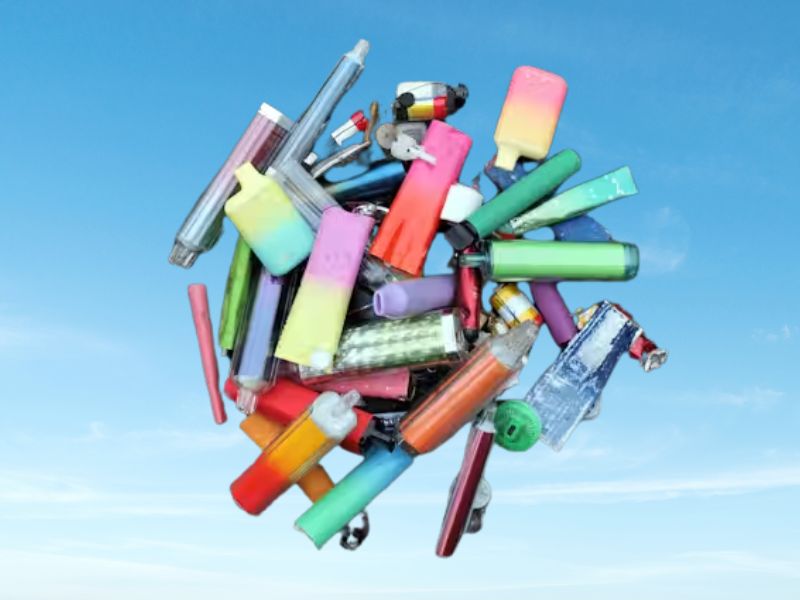
E-cigarette companies have flooded the market with cheap, single-use vapes, contributing to the rise of vape litter worldwide. These devices, often marketed in bright colors and fruity flavors, are designed to be thrown away after a few hundred puffs. The problem? They contain plastic, lithium batteries, and hazardous chemicals that don’t break down easily.
Batteries and toxins in nature
Each discarded vape pen contains a small lithium battery. When tossed on the ground or in a landfill, these batteries can leak harmful chemicals into the soil and water. Lithium mining itself is already an environmental burden—wasting these batteries only worsens the problem.
Plastic and heavy metals in waterways
Just like cigarette butts, e-cigarettes and their cartridges often end up in storm drains, rivers, and oceans. The plastic casings don’t biodegrade, and the leftover nicotine, heavy metals, and chemicals inside can poison aquatic life.
Can e-cigarettes be recycled or disposed of safely?
E-cigarette disposal is more complicated than regular waste. Most disposable vapes contain a mix of plastic, metal, and lithium batteries, making them difficult to recycle through standard systems. Many users are unsure how to dispose of vapes properly, which leads to more vape litter in public spaces. Specialized recycling programs are still limited, making proper disposal a growing environmental challenge.
What can we do better for vape litter disposal?
Push for better disposal solutions
Governments and companies need to step up with proper recycling programs for e-cigarettes. Right now, many users don’t know how to dispose of them safely—or worse, they don’t even try. Retailers should offer take-back programs, and regulations should require manufacturers to create more sustainable designs.
Clean up the mess
E-cigarettes are now part of litter cleanups worldwide. If you find them during a cleanup, make sure to dispose of them properly. Some recycling centers accept vapes, but always check local guidelines.
Spread awareness
Most people don’t think twice before tossing a used vape. Raising awareness about the environmental impact of e-cigarettes can help change that. Share the facts, challenge vape brands to do better, and encourage responsible use.
Final thoughts
The rise of e-cigarettes has created an unexpected cleanup crisis. While they may be marketed as a “cleaner” alternative to smoking, their environmental footprint is anything but clean. It’s time to tackle this issue head-on—through better policies, responsible consumer choices, and collective cleanup efforts.
Join us in tackling the growing problem of e-cigarette waste. With the CSFN app, you can track litter, join cleanups, and make a real impact in your community. Every small action counts—start today.