
🌲Your Sponsored Forest
Restoring ecosystems and livelihoods
Interactive Tree Map
Click on the pins below to explore detailed information about each tree species in your sponsored forest.
Forest Biodiversity
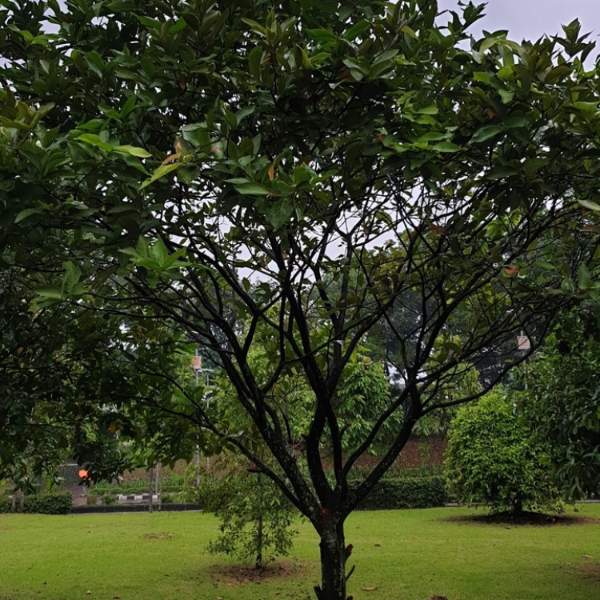
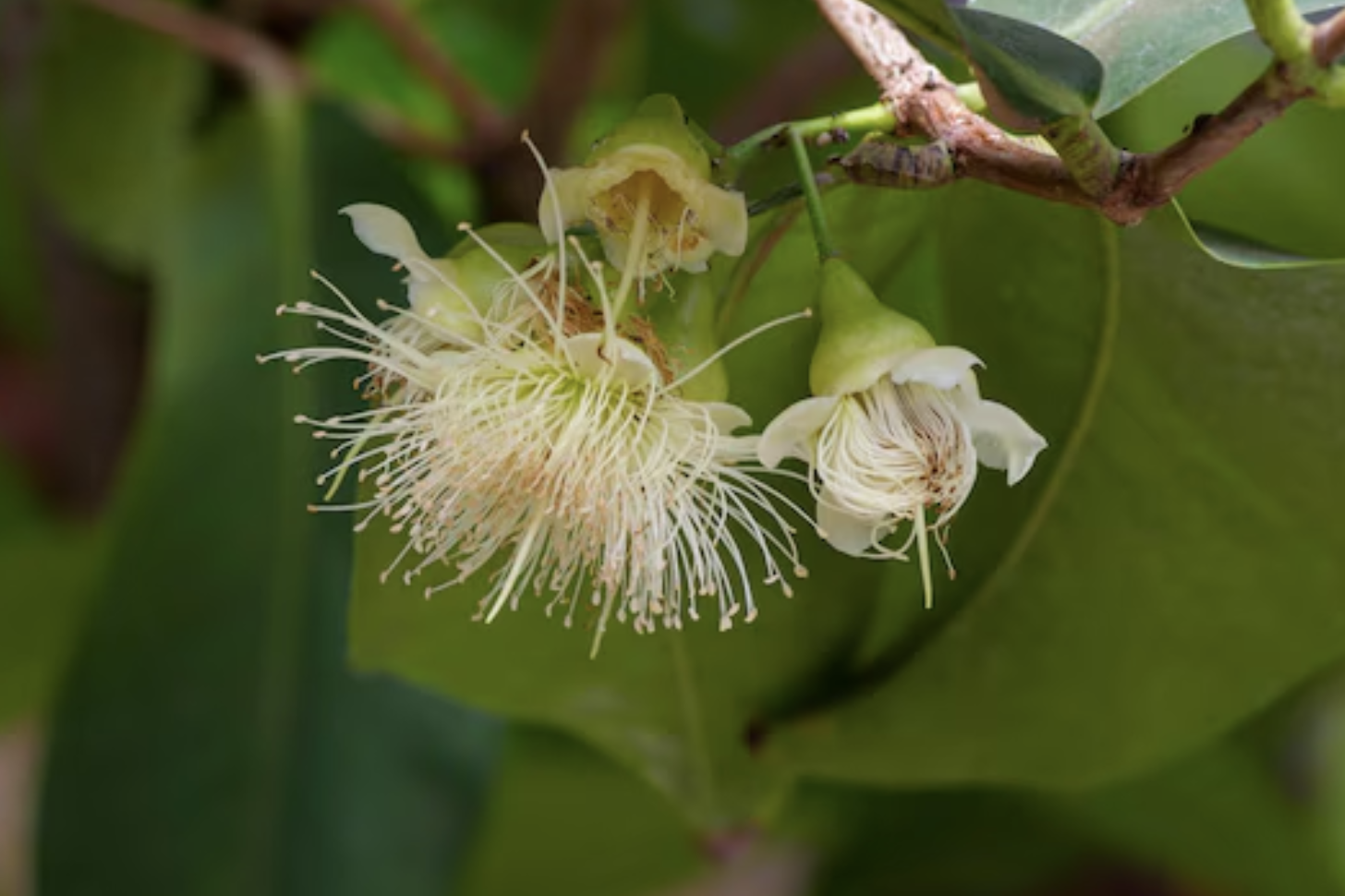
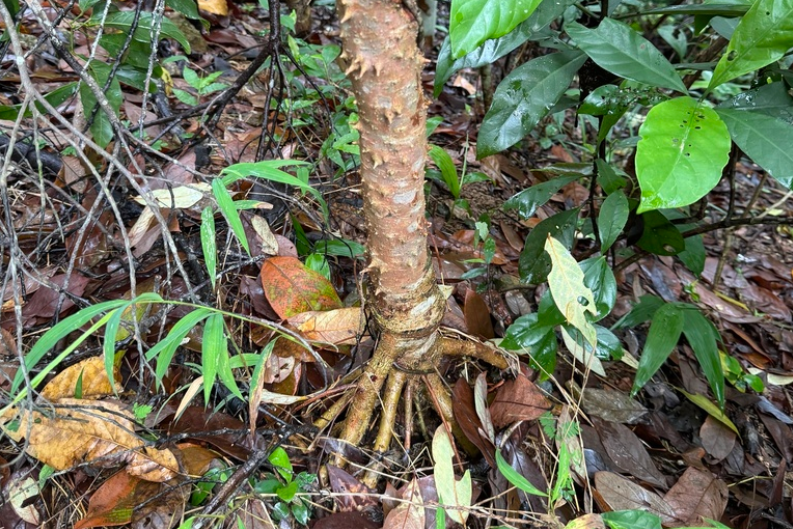
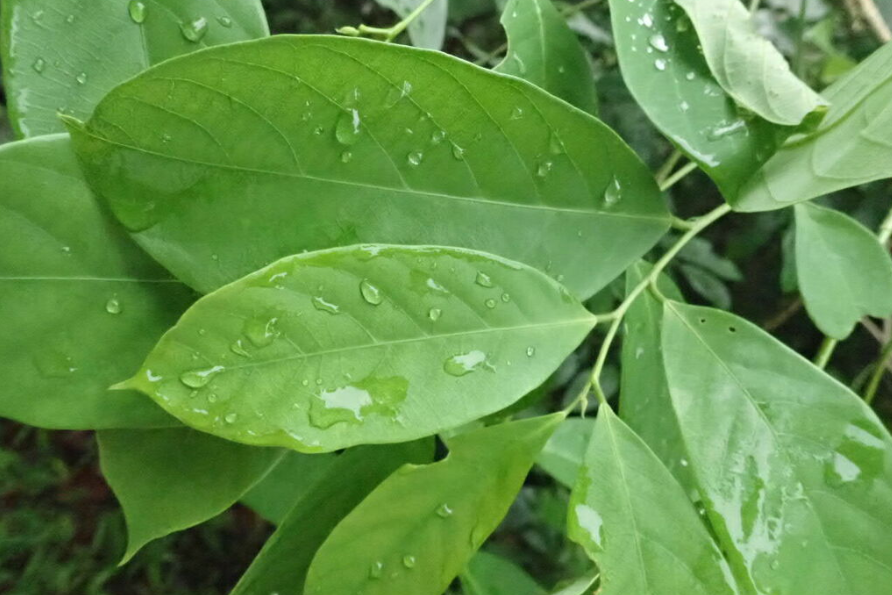
Water Apple
Syzygium aqueum
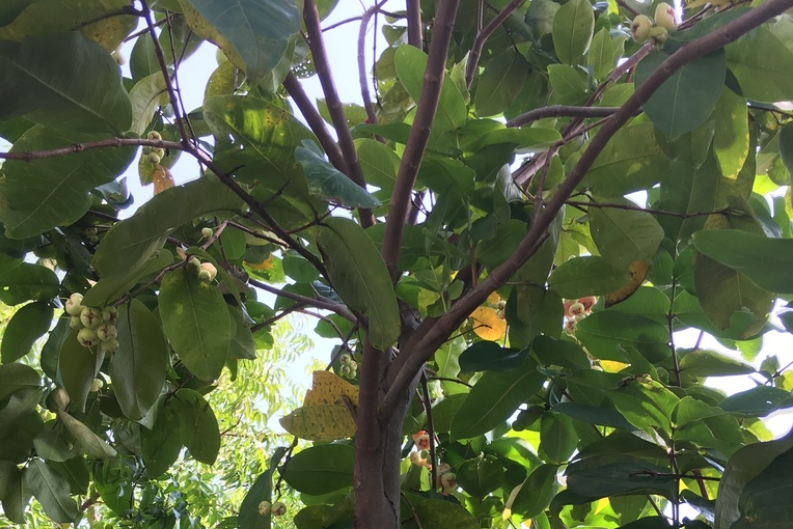
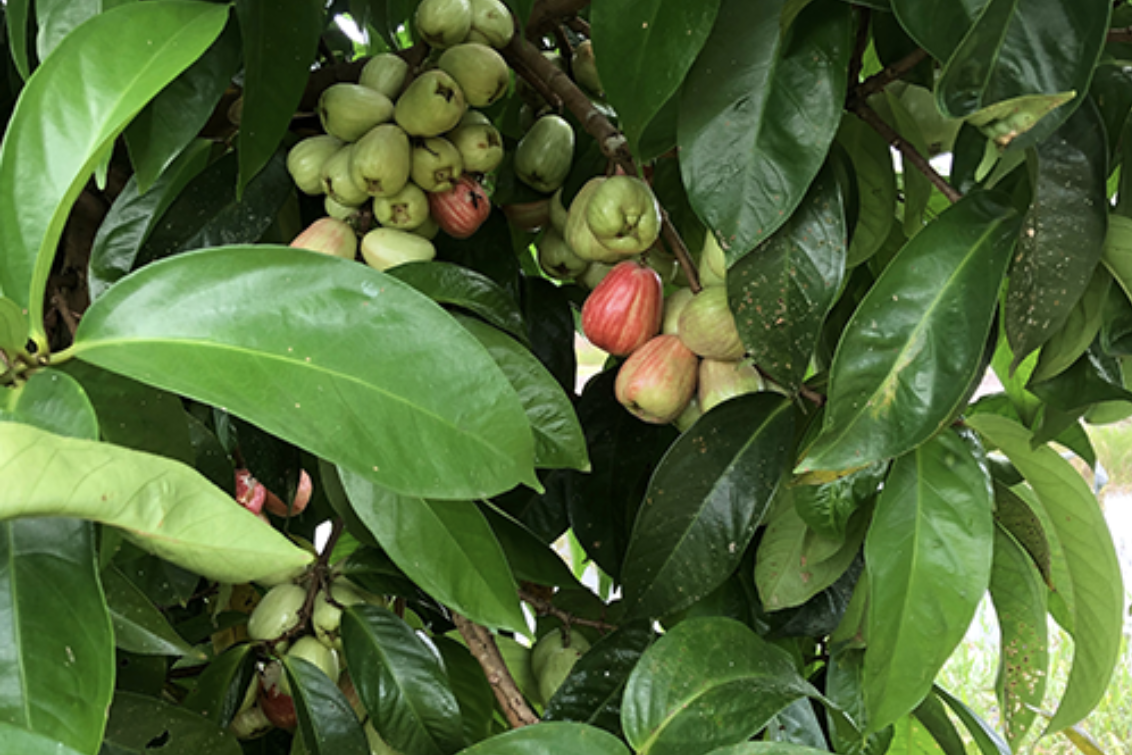
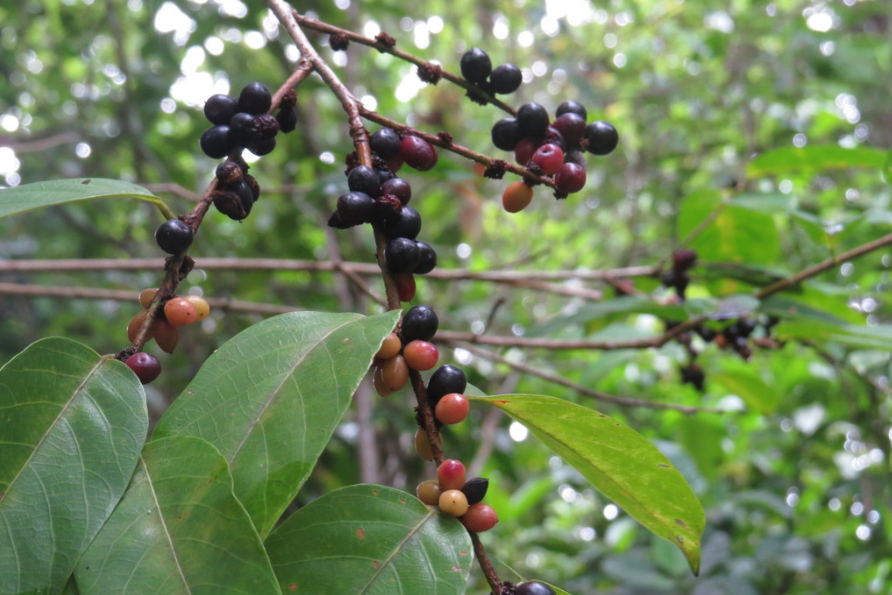
Grey Birch
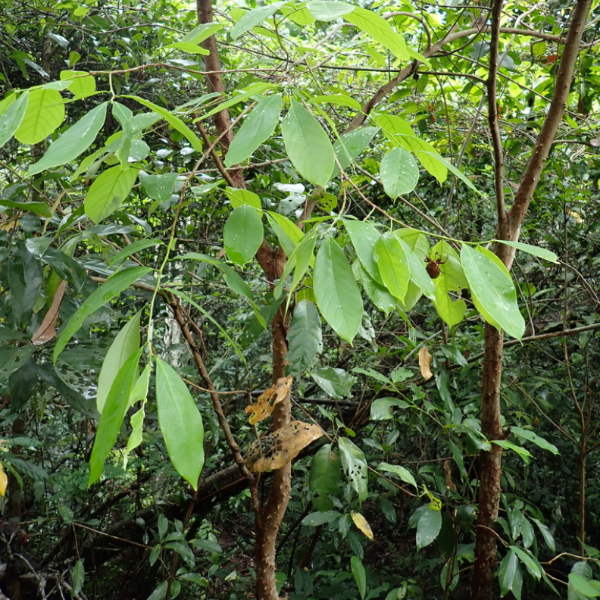
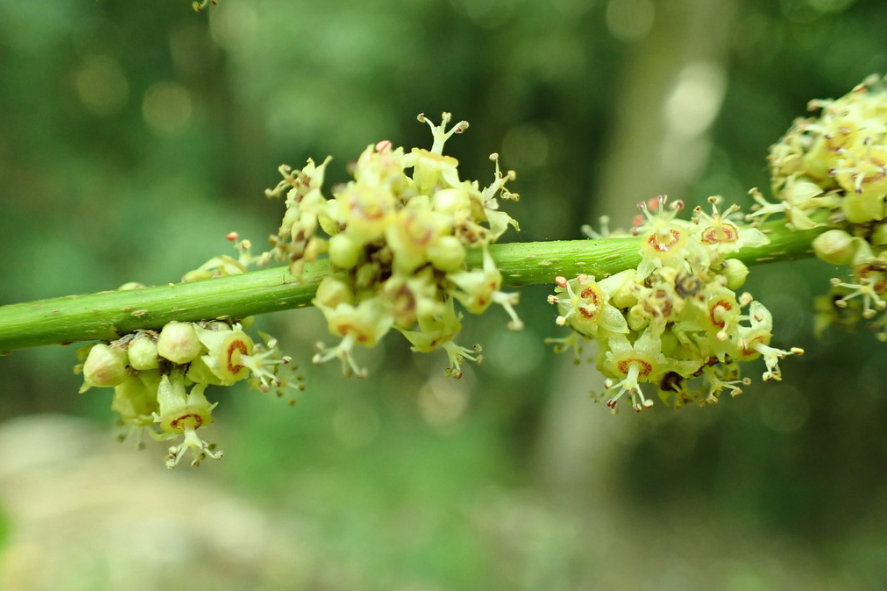
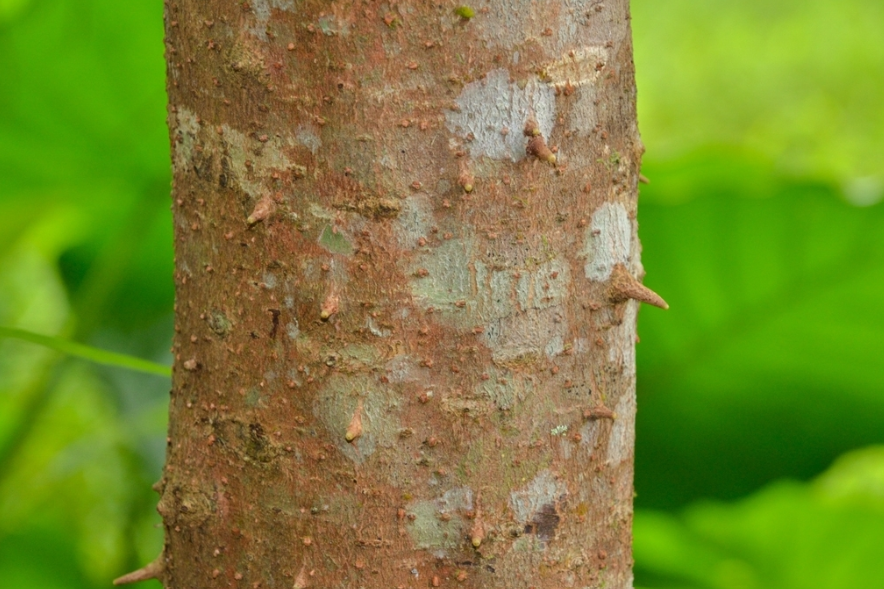
Bridelia insulana
🌳 Reforestation Sites
Besigan
📍 Besigan, Philippines
Starting in the 1960s, Philippine mahogany was cut down nearly to extinction. this led to soil erosion, contaminated waterways, community dislacement, and biodiversity loss. Logging, slash-and-burn agriculture, land development, and forest fires continue to contribute to a high deforestation rate. One of 17 megadiverse countries and home to 700 threatened species.
🔗 View site details →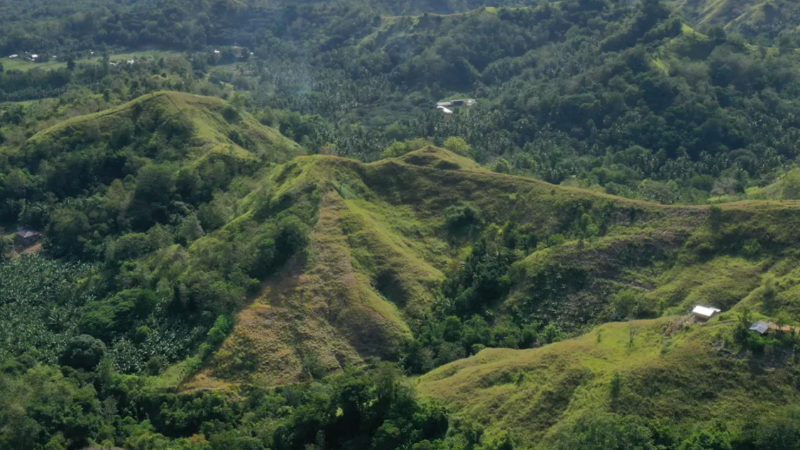
🌍 Carbon & Oxygen Impact
CO₂ Captured
O₂ Produced
💡 Did you know?
🔮 Projected Impact
🌿 Species Ecosystem Benefits
Consumption and Sales
Produces fruit, seeds, leaves and/or bark that provide food for the farmers' families or is sold in local markets.

Traditional Medicine
Produces leaves, roots, bark and/or fruit that is used in traditional medicine.

Income Opportunity
Products derived from the fruit, bark, sap or leaves can be turned into products and traded or sold locally.
🎯 Community & Environmental Impact
CO2 Absorption
Absobs CO2 through photosynthesis, offsetting human-generated carbon emissions over time. Supports UN SDG 13: Climate Action
Environmental Protection
Synergystic with the local ecosystem for positive environmental impact, including wildlife habitat, water conservation, and soil restoration. Supports UN SDG 15: Life on Land
Employment Equality
Hiring practices balanced between women and men, with equal opportunities at the management and decision-making levels. Supports UN SDG 5: Gender Equality
Job Creation
Generates a variety of jobs that help lift the community which may include site preparation and infrastructure, education, seedling preparation, planting, monitoring, and management. Supports UN SDG 8: Decent Work & Economic Growth
🐾 Wildlife Biodiversity Protection
Our reforestation efforts in Philippines help protect endangered species and restore critical habitats for local wildlife.
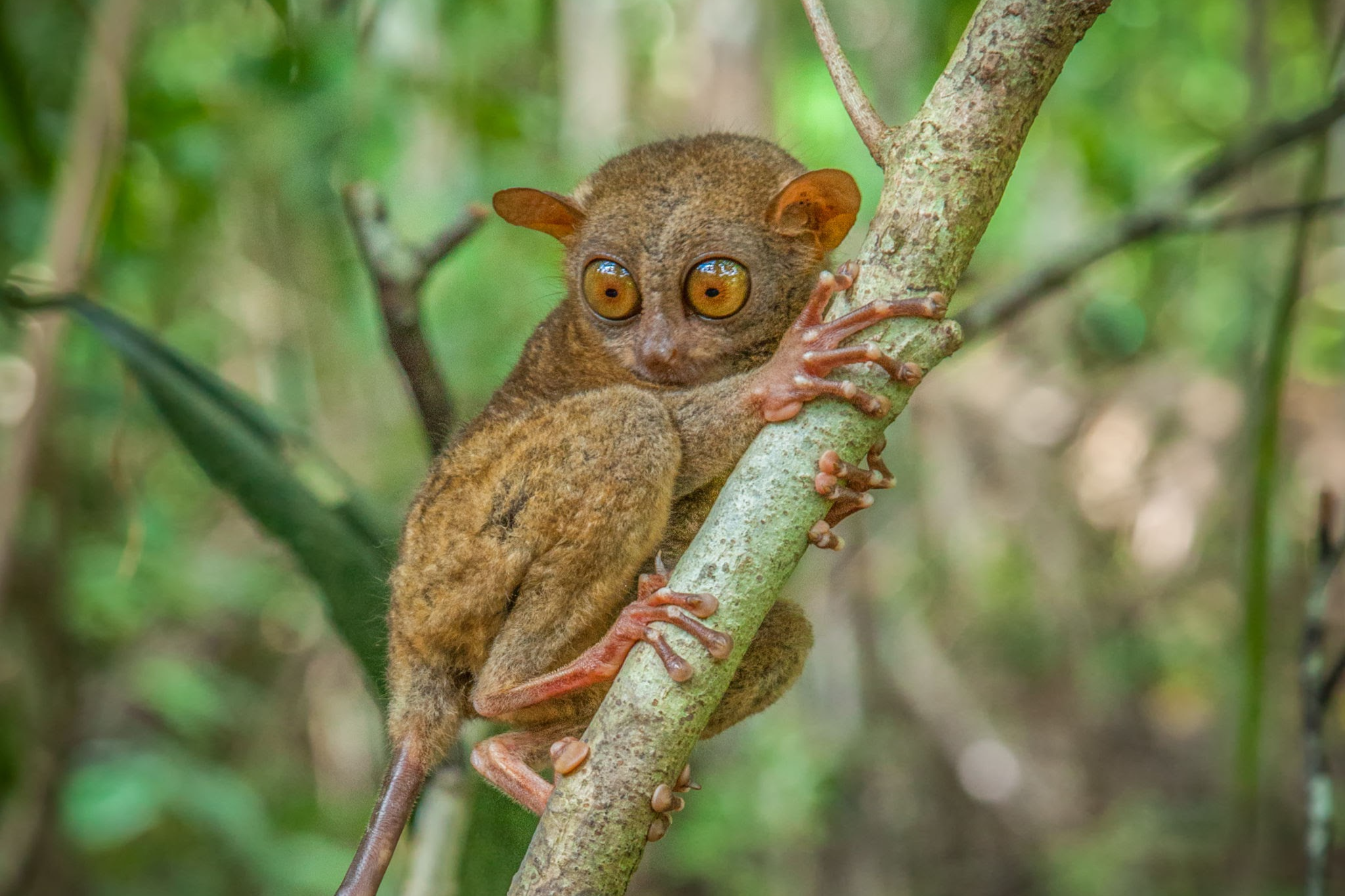
Philippine Tarsier
Near ThreatenedHabitat loss and illegal pet trade are the main threats to Tarsius syrichta, now under government protection.
Quick Facts
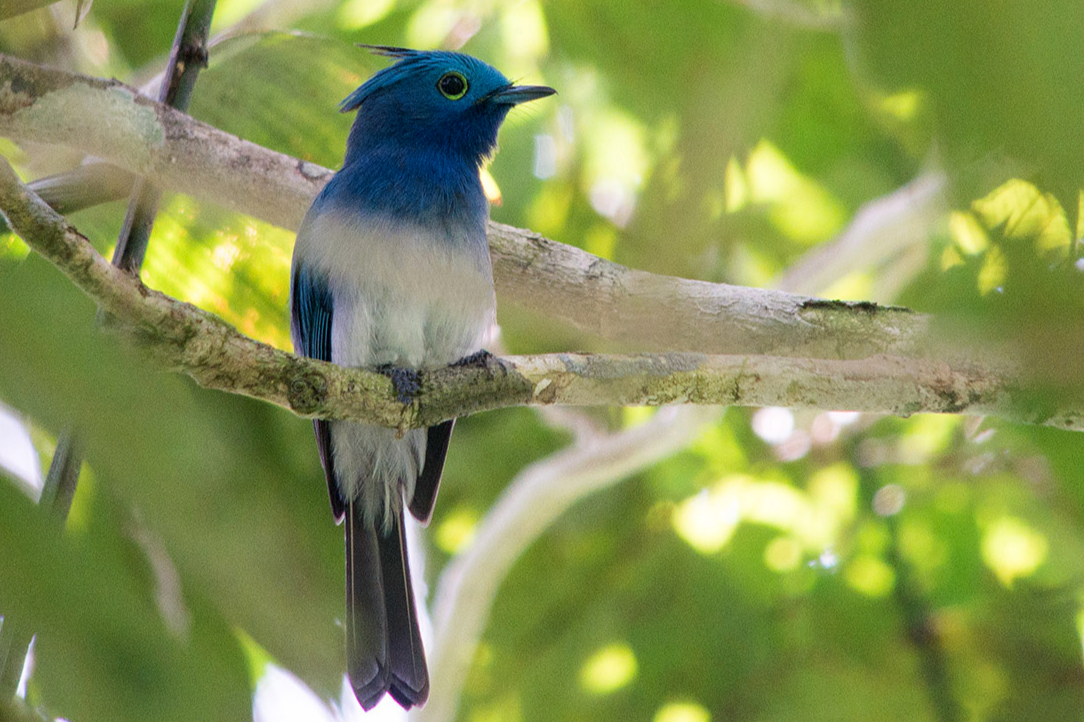
Celestial Monarch
VulnerableHypothymis coelestis, one of the most sought after birds by birdwatchers in the Philippines and in the world, are threatened due to habitat loss from illegal logging and land conversion.
Quick Facts
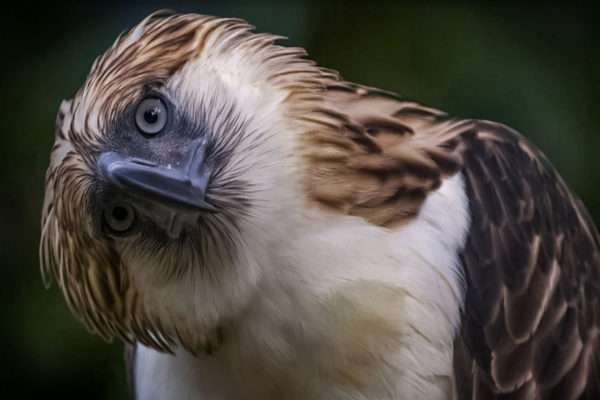
Philippine Eagle
Critically EndangeredThe Philippine national bird, Pithecophaga jefferyi is only found in the remaining forests. Threatened by deforestation and hunting, with fewer than 400 breeding pairs left.