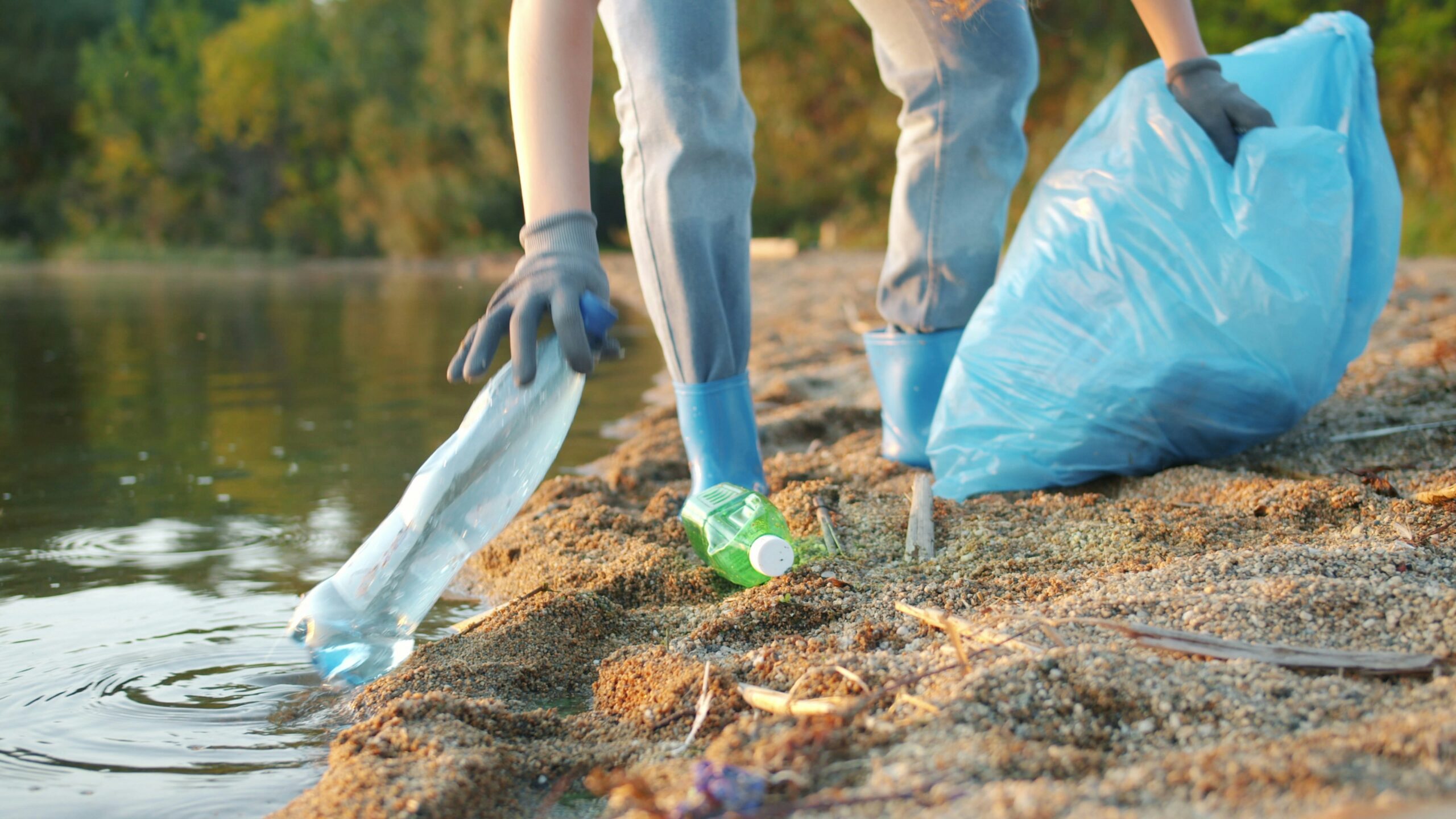
Plogging is the practice of picking up litter while jogging. It started in Sweden around 2016, took off on Instagram a few years later, and now has loose chapters from Patagonia to Pune. The name comes from “plocka upp” (Swedish for “pick up”) stitched onto “jogging”. The habit looks simple, but it solves something real: it connects a fitness routine you already do with a public good you can see by the end of the run.
Where plogging came from
The founder usually credited is Erik Ahlström, a Stockholm-based skier and runner who started carrying a bag on his commute runs after noticing the same litter day after day. He posted about it, named the activity, set up a group,p and the format spread. By 2018, plogging events were running in dozens of countries. A small 2020 fitness study published in the Journal of Bodywork and Movement Therapies looked at the energy cost of plogging and found that the bending and squatting added a meaningful workout layer on top of the run itself.
Why the habit stuck
Three things keep plogging going where one-off cleanups fade out.
It piggybacks on a habit already in place. Most ploggers were runners first. A bag and a pair of gloves added five seconds to leaving the house, not a separate slot in the weekly schedule. Habits that ride on other habits compound.
You see the result the same day. A full bag at the end of a five-kilometre loop is visible feedback. Most environmental actions are slow. Plogging is fast.
It works alone and in groups. A solo plogger needs a bag. A group of ten covers a park. There is no minimum, no permit, no equipment lock-in.
Plogging communities you can join or follow
Plogging is decentralised on purpose. There is no central organisation. Instead, there are local chapters, often founded by one or two runners who tagged the right hashtag at the right time. A few worth knowing:
- Plogging Patagonia runs cleanup runs across Chile and Argentina with a focus on glacier and steppe environments.
- Pune Ploggers in India organises weekend cleanups and has built one of the largest local communities in South Asia.
- Plogging Armenia runs urban and trail cleanups around Yerevan and hosts monthly events.
- Berlin, Madrid, Mexico City, and Cape Town all have informal groups linked through hashtags and Strava clubs.
If your city has no chapter, it usually means no one has started one yet, not that no one is interested.
How to start plogging this week
Start solo. Easier to commit and easier to drop if it does not fit your routine.
What you need:
- A pair of light gloves, gardening or work-style.
- A small plastic bag or two. Bread-bag size fits in a pocket.
- Your usual running gear and route.
On the route, stop for the items that take three seconds to grab: bottles, cans, wrappers, butts. Skip anything that needs gloves you do not have, anything broken, anything obviously hazardous. The point is to make the habit sustainable, not to clean every metre.
At the end of the run, drop the bag in a sorted bin. If you collected a real volume, weigh it on a bathroom scale and note the number. Photographs and weights are what turn a private jog into a community piece of data.
What plogging does for the runner
The fitness layer is real. Squats, deadlift-style bends, and short stops break the steady-state nature of a jog and recruit more muscle groups. Heart-rate data from the 2020 study showed plogging raised energy expenditure compared to a normal jog of the same distance, mostly thanks to the picking motion. The bigger effect, by anecdotal account from regular ploggers, is mental. A route you have run a thousand times starts to look different when you are scanning for litter. The boredom drops. The sense of small daily usefulness goes up.
From solo plog to community
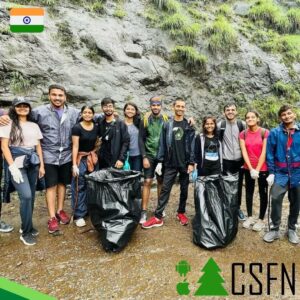
Once you have run with a bag four or five times, two things tend to happen. Friends ask what you are doing, and a casual group forms. The next step is logging what you collect so the effort builds into something you can show.
That is where an app helps. CSFN’s plogging app lets you record location, weight, and photos for each cleanup, see what others are doing across 84 countries, and unlock endangered animals as you level up. It is not a chat app or a race tool. It is a logbook that adds your run to a global tally now over 910000 kilograms.
If you are new to the concept and want a deeper background, the “What is plogging” page explains the practice and its benefits in detail.
Key takeaways
- Plogging is jogging plus litter picking. It started in Sweden around 2016.
- The habit sticks because it rides on a routine you already have and shows visible results.
- You can start solo this week with gloves, a bag, and your usual route.
- Logging your cleanups in an app turns private effort into community data.
Take your next run further.
Lace up, grab a bag, and try one plog this week. To track what you collect alongside thousands of other ploggers, download the CSFN app on iOS or Android