Hidden plastic is the share of plastic in our daily lives that we do not register as plastic. We notice the bottles and the wrappers. We do not notice the tea bag, the chewing gum, the till receipt or the lining of the paper coffee cup. This post lists ten everyday products that contain plastic without saying so, with what the alternatives look like.
1. Tea bags
Most non-paper tea bags are sealed with polypropylene, a thermoplastic that does not biodegrade. A 2019 study at McGill University found a single plastic tea bag released around 11 billion microplastic and 3 billion nanoplastic particles into a cup of hot water during a five-minute brew. Some brands have switched to PLA (a plant-based plastic) which behaves better but still does not break down in a home compost. Loose-leaf tea or paper-string bags side-step the problem.
2. Chewing gum
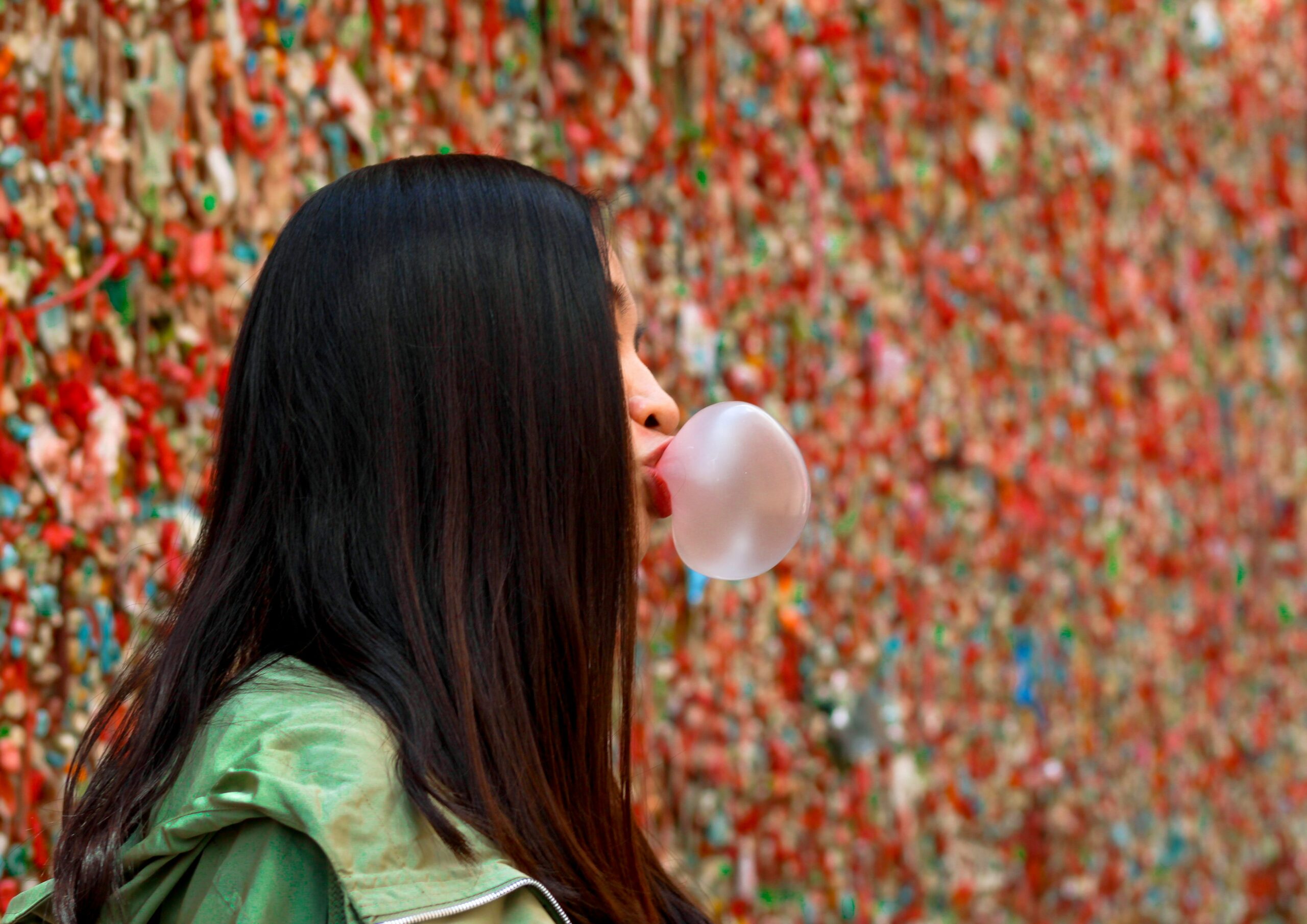
The “gum base” in nearly all mainstream chewing gum is a mix of synthetic polymers, often including polyisobutylene and polyvinyl acetate. Same family as the rubber in inner tubes. Modern gum is, mechanically, a small piece of plastic flavoured with sweeteners. Natural-based gums made from chicle resin exist, but they are a niche category.
3. Glitter
Standard craft glitter is cut from PET film with a metallic coating. Once it leaves the craft project, it behaves exactly like microplastic: too small to filter, hard to clean, persistent. The EU restricted intentionally added microplastics including loose glitter from 2023, with phase-outs continuing through 2027 for some product categories. Biodegradable glitter made from cellulose film is the workable alternative.
4. Wet wipes
Many wet wipes are made of polyester or polypropylene fibres held together with binders. Flushed wipes are a leading cause of sewer “fatbergs” and end up as ribbon-shaped microplastics in waterways. The UK and several EU Member States have moved to ban or restrict plastic-containing wipes. Look for the “fine to flush” or “100% plant fibres” labels. A washable cloth works for most uses.
5. Cigarette butts
The filter on almost every cigarette is cellulose acetate, a slow-degrading plastic. Estimates put global cigarette butt litter at around 4.5 trillion pieces a year, making them the most commonly littered item on the planet. They leach nicotine, heavy metals and microfibres into soil and water. The CSFN partner Shime turns collected butts into urban furniture in Luxembourg. The cleaner option, where applicable, is not to smoke or to use proper ash disposal.
6. Receipts
Most thermal-paper till receipts are coated with bisphenol A (BPA) or its replacement bisphenol S (BPS), both of which are endocrine-disrupting chemicals embedded in a thin plastic layer that activates with heat. The paper feels papery. The chemistry is part-plastic. Many countries have moved to limit BPA in thermal paper. Digital receipts solve the problem entirely.
7. Clothing
Polyester, nylon, acrylic and elastane are all plastics. A 2017 IUCN report estimated that 35% of primary microplastics released into the world’s oceans come from synthetic textiles, mostly through laundry. Each wash cycle of a synthetic garment can release hundreds of thousands of microfibres. Natural fibres (cotton, linen, wool, hemp) and fewer washes at lower temperatures reduce the load.
8. Paper coffee cups
The “paper” cup is paper on the outside and plastic on the inside, usually a polyethylene lining to make it waterproof. The hot liquid sits in contact with the plastic for the length of the drink. The cups are technically recyclable but only at specialised facilities; in practice the vast majority go to general waste. A reusable cup avoids the problem.
9. Synthetic sponges and scouring pads
Most kitchen sponges and the green scouring side are polyurethane and polyester. They shed plastic fibres into the sink with every wipe, which then enter wastewater. Cellulose sponges, wood-fibre brushes, copper or stainless-steel scourers are functional substitutes that last longer.
10. Personal care products
Beyond the well-known microbeads (banned in many countries from 2017 onwards), several other products contain plastic in less obvious forms: nylon in toothbrush bristles, polyethylene in some toothpaste formulations, plastic film inside disposable razor cartridges and synthetic carriers in shampoo and lotion thickeners. Reading the ingredient list for “PE”, “PP”, “PVP”, “carbomer”, “nylon” and “acrylates” surfaces a lot of them.
What this all adds up to
The point of the list is not to feel bad about every cup of tea. The point is that “plastic” is wider than what we picture. The everyday objects we never thought of as plastic are part of the same problem as the visible bottles and wrappers. They often produce the smallest, hardest-to-clean fragments that show up in waterways and bloodstream.
Three useful habits cover most of them:
- Read ingredient lists. Words ending in “-ethylene”, “-styrene”, “-acrylate”, “polyester” or starting with “poly-” are usually plastics.
- Default to natural fibres for clothes and homeware where the price gap is small.
- When you see plastic in nature (cigarette butts, glitter, wet wipes), pick it up. The hidden plastics are the hardest to remove once they fragment.
For wider context on how everyday plastic ends up in nature, the impact of plastic page covers the full picture. The e-cigarette piece tackles one specific source in detail.