A global day that has become a global movement
What began as a coordinated cleanup effort has grown into one of the largest civic action days on the planet. By 2026, World Cleanup Day is no longer just a date on the calendar. It is a shared moment when millions of people across continents step outside, take responsibility for their surroundings, and prove that collective action can move faster than pollution.

The recent recognition of World Cleanup Day by the United Nations has elevated that momentum. This acknowledgement places community-led cleanups within the wider framework of global sustainability, aligning local action with international environmental goals.
For grassroots organizers, this matters. For volunteers, it validates their effort. And for companies and institutions, it signals that participation is not symbolic—it is part of a recognized global solution.
Why UN recognition changes everything
UN recognition brings credibility, visibility, and scale. It reframes litter not as a local nuisance, but as a global challenge that intersects with climate resilience, public health, and social equity.
In practical terms, this recognition opens doors. Governments are more likely to support cleanups with permits, logistics, and data sharing. Schools and universities can integrate cleanup activities into service learning. Media coverage expands beyond feel-good stories to long-term impact reporting.
Most importantly, it sends a message: everyday people picking up trash are contributing to global environmental progress, not just tidying their neighborhood.
The growth of World Cleanup Day toward 2026
Each year, participation continues to grow across urban centers, rural communities, coastlines, and waterways. By 2026, World Cleanup Day is expected to engage tens of millions of participants worldwide, with increasing representation from the Global South and small island nations disproportionately affected by waste.
Technology has helped accelerate this growth. Digital mapping, volunteer platforms, and impact tracking now allow organizers to show not only how much waste is collected, but what types of materials are most common and where policy change is needed.
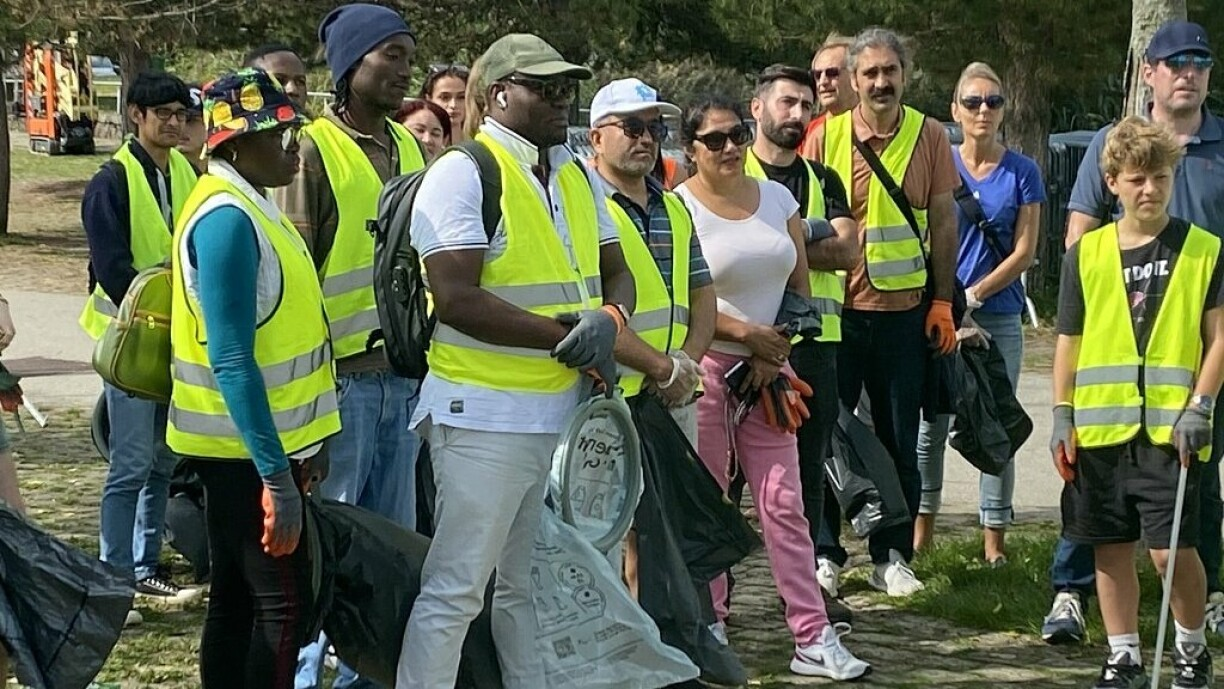
The day has also evolved beyond a single event. Many communities now use World Cleanup Day as a launch point for year-round waste reduction, education, and advocacy.
How individuals can get involved meaningfully
Participation starts locally. Individuals can join an existing cleanup, organize one with friends or neighbors, or support the effort by helping with outreach, data collection, or education.
What matters most is consistency. Returning to the same location over time reveals patterns—where waste accumulates, what items dominate, and which solutions might prevent litter upstream.
World Cleanup Day 2026 is also an opportunity to bring new voices into the movement. First-time volunteers often become long-term advocates once they see the tangible impact of a few hours of collective effort.
The role of companies in a litter-free future
For companies, World Cleanup Day is no longer about optics. UN recognition raises expectations around authenticity and impact.
Meaningful corporate involvement goes beyond a one-day volunteer photo. It includes giving employees paid time to participate, supporting local cleanup partners financially, and using collected data to rethink packaging, supply chains, and waste reduction strategies.
When businesses align their cleanup efforts with long-term environmental commitments, World Cleanup Day becomes a living example of corporate responsibility in action.
From cleanup to systems change
Picking up litter is only the first step. What makes World Cleanup Day powerful is what follows: conversations about waste systems, consumption habits, and shared responsibility.
In 2026, the growing influence of the day lies in its ability to connect hands-on action with policy advocacy. Cleanup data is increasingly used to support bans on problematic materials, improve waste infrastructure, and push for producer responsibility.
The UN’s recognition amplifies this connection, helping local data inform global dialogue.

Why World Cleanup Day 2026 matters
World Cleanup Day 2026 arrives at a moment when environmental fatigue is real, but so is the desire for practical action. This day offers something rare: a simple act that delivers visible results while contributing to a global movement.
It reminds us that environmental change is not only driven by conferences and policies, but by people showing up, together, and doing the work.