Where We Plant and How We Grow
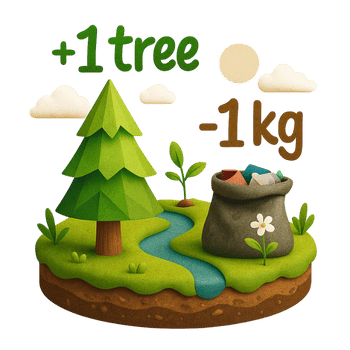
Through our Pick N' Plant program, every action you take creates a double impact: removing litter and growing native forests. We work with trusted local partners across the globe to restore terrestrial and mangrove ecosystems.
Tropical Terrestrial Restoration
Once home to vast mahogany forests, these sites now support over 700 threatened species. We restore areas where logging and erosion have displaced communities and wildlife.
- Agarwood (Critical for biodiversity)
- White Lauan (Endemic dipterocarp)
- Water Apple (Food security for wildlife)
Mau Forest Complex
Known as the "water tower" for 13 major rivers, this site sustains the iconic Maasai Mara and Serengeti ecosystems. Indigenous forest guardians protect these new growths.
- African Yellow-Wood (Afromontane keystone)
- African Cherry (Medicinal and ecological value)
- Croton Wood (Rapid canopy former)
Highland & Cloud Forests
Restoring critical watersheds to protect rural farming families from severe floods and climate vulnerability. We focus on areas degraded by cattle ranching.
- Honduran Mahogany (Hardwood restoration)
- Liquidambar (Sweetgum cloud forest native)
- Pinabete (Endangered highland fir)
Amazon & Andean Landscapes
Working in some of the most pristine and least-studied forests in South America. Our partners focus on complex ecological restoration over simple tree plantations.
- Brazil Nut Tree (Cornerstone agroforestry)
- Cacao (Native wild variety)
- Rubber Tree (Rainforest canopy support)
Veracruz Moist Forests
Developing living buffer zones along riverbanks to stabilize soils and prevent catastrophic flooding for local communities.
- Native Riparian Species
- Soil-stabilizing hardwoods
- Pollinator-supporting Pioneers
Mangroves & Terrestrial Sites
From the coastal Krabi mangroves to the foothills of Nepal, these projects focus on climate resilience and community employment.
- Coastal Mangroves (Carbon sequestration)
- Nitrogen-fixing Pioneers
- Fodder trees for local agroforestry
About Our Restoration Model
How do we select our locations?
We choose sites based on verified reforestation methodology, ecological appropriateness, and the potential for community employment. All projects contribute directly to the UN Decade on Ecosystem Restoration.
Why do planting seasons matter?
We only plant during the optimal rainy seasons for each specific region. This ensures the highest survival rates for young saplings. While we fund year-round, the physical planting follows nature's calendar.
What wildlife do these forests support?
Our projects help protect the Philippine Eagle, the Mountain Bongo (fewer than 100 left), Jaguars, and the Scarlet Macaw by restoring their natural habitats and migration corridors.
Have questions about Pick N' Plant?
Whether you are interested in a specific region or want to understand our reporting, let us know how we can help your organization take action.
Or schedule a chat with us directly:
Book a Call