You want to organize a litter pick, you have a spot in mind and a few friends ready to help. What now? This guide walks through the eight steps a first-time host actually needs: picking the site, getting gear, handling safety, sorting the trash, and logging what you collected—no event-planning background required.
Step 1: Pick a site that needs it and is safe to clean
The best first site is a public space that gets dirty, gets ignored and is easy to reach. Riverbanks, park edges, beach access paths, school surroundings and city green corridors all qualify. Walk it once before the event to spot any hazards: glass shards, sharp metal, syringes, deep water, fast traffic. If a zone feels unsafe, swap it.
If the site sits on private property or inside a nature reserve, message the owner or the local authority first. Most communes in Luxembourg and across the EU welcome citizen cleanups when you give them a heads-up. They sometimes provide bags and pick the collected trash up for free.
Step 2: Pick a date, a window and a group size
Two hours is plenty for a first event. Mornings are cooler in summer and avoid afternoon crowds. Weekends bring more volunteers, weekdays bring more focus. For your first one, keep the group small: six to twelve people is easier to brief and coordinate than thirty. You can scale up once you have the rhythm.
Step 3: Get the gear together
You do not need much. A starter kit covers:
- Sturdy gloves, one pair per person
- Trash bags, two sizes if you can: regular and heavy-duty
- A few pickers or grabbers, especially for anyone uncomfortable bending
- Hand sanitiser and a basic first-aid kit
- Water, especially in summer
Pickers are not strictly required but they protect hands and backs. Local hardware stores stock them. Some communes lend them out free for citizen cleanups.
Step 4: Brief everyone before they start
Five minutes of briefing saves an hour of confusion. Cover four things: where the clean zone starts and ends, which items not to touch (sharps, biohazards, anything that needs professional handling), how to sort the trash and where the meeting point is when bags are full. A short safety reminder about traffic and water edges is worth the time.
Step 5: Sort while you collect
Sorting on the spot is the single thing that turns a litter pick from a feel-good outing into useful data. Two or three streams are enough for a first event: general waste, recyclables (PET bottles, aluminium cans, clean cardboard) and a separate small bag for cigarette butts. Butts are everywhere and they leach toxic chemicals into soil and water, so it helps to count them or weigh them separately. The European Environment Agency publishes useful background on which items show up most often in European litter surveys.
Step 6: Weigh and photograph the haul
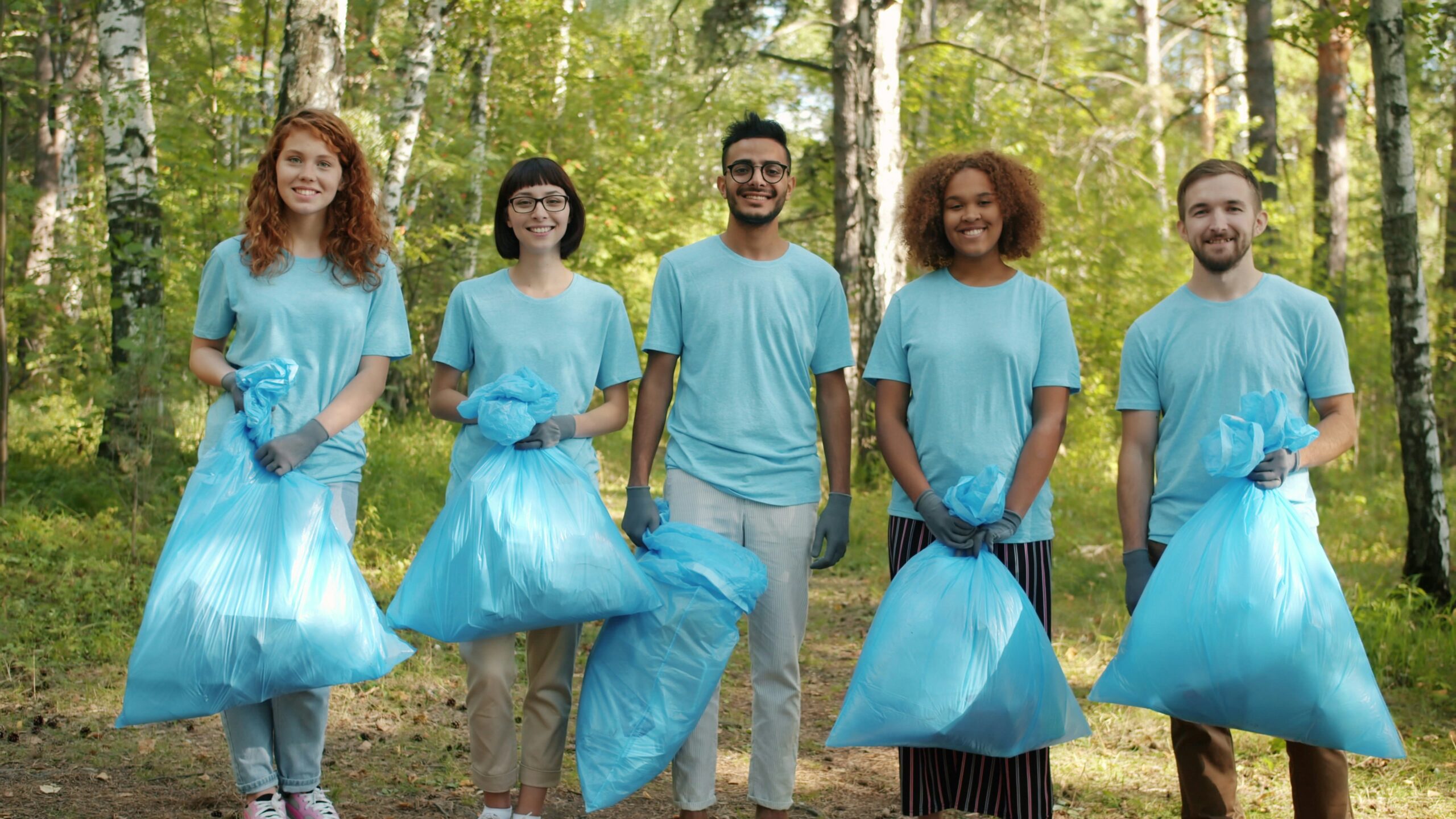
At the end of the cleanup, gather the bags in one spot. A simple bathroom scale handles most volumes. Photograph the bags lined up, the group behind them and any odd items found (a tyre, a piece of furniture, fishing line). These photos matter for two reasons: they motivate the people who showed up and they help you make the case for the next cleanup to a partner, sponsor or commune.
Step 7: Dispose of the trash properly
This is where a lot of first-time hosts get stuck. You collected, now what? Three workable paths:
- Call the commune ahead of the date. Most public services pick up bags from a known spot on a known day.
- Drop sorted bags at the nearest recycling centre. In Luxembourg the Ville de Luxembourg recycling guide lists drop-off points.
- If the volume is small, household waste collection takes regular bags. Save recyclables for the right bin.
Never leave full bags by the roadside hoping they get picked up. They will get torn open and the trash returns.
Step 8: Log the cleanup so it counts
A litter pick that no one logs is a litter pick that no one can build on. Photographs and a weight on your phone are the minimum. To plug the data into a wider community, log the cleanup in an app: location, kilos collected, photos and a short note. CSFN does exactly this for its volunteer community across 84 countries: track, share and celebrate completed cleanups, with endangered animals unlocked as you level up.
If you want to track your own cleanups in the same place as 8100+ others, download the CSFN litter picking app. The benefits page covers why repeated small cleanups outperform one big annual day for actual nature recovery.
Key takeaways
- Start small: two hours, six to twelve volunteers, one familiar site.
- Brief everyone for five minutes on zone, safety, sorting and meeting point.
- Sort on the spot. Even three streams make the data useful.
- Weigh, photograph and log the cleanup so the effort builds into something larger.
Ready to organize a litter pick
The hardest part of a first event is starting. The second is showing up next month. If you want a place to log what you collect and see other volunteers doing the same across the world, the CSFN app is free on iOS and Android.